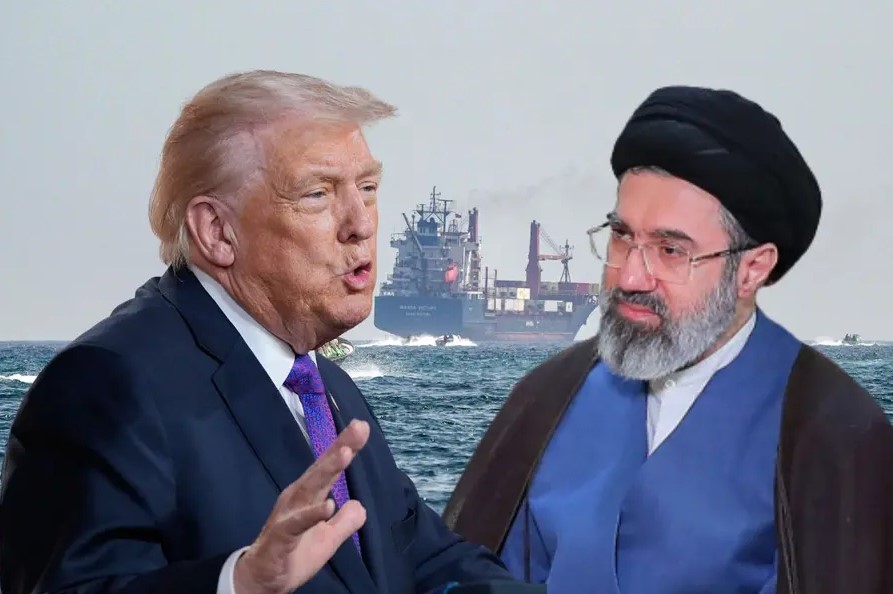
The United States and Iran have agreed to a two-week ceasefire in the Iran Israel war 2026, halting a month of devastating conflict and temporarily reopening the Strait of Hormuz. But Iran's demand for uranium enrichment rights and a fractured Lebanon front make this pause as precarious as it is historic.
Situation Snapshot: April 8, 2026
Ceasefire Duration: Two weeks, effective immediately
Mediator: Pakistan (PM Sharif, Gen. Asim Munir)
Hormuz Status: Safe passage restored, with coordination
Talks Venue: Islamabad, April 10
Iran's Core Demand: Accept uranium enrichment, lift all sanctions
Oil Price Reaction: WTI down nearly 20%, Brent down 16%
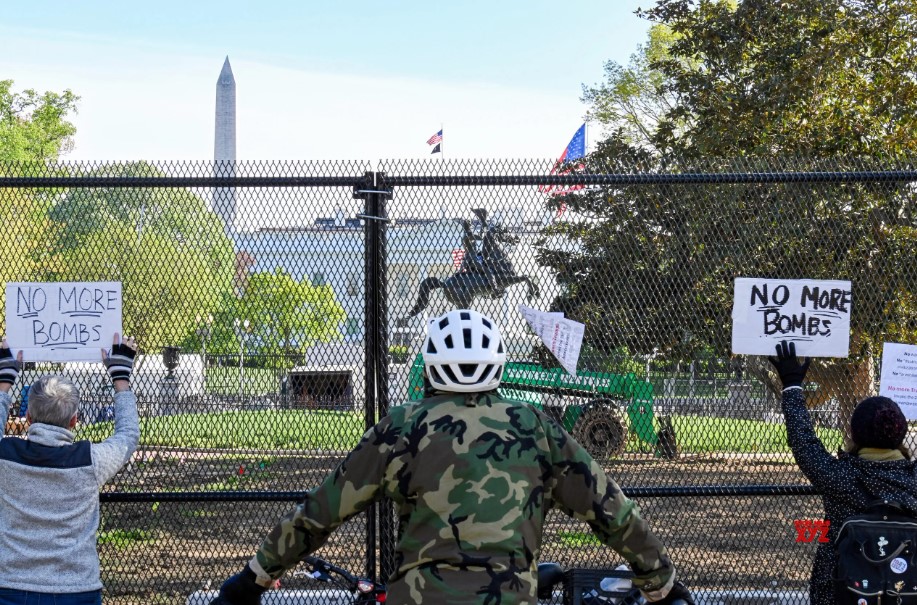
What Happened Overnight: A Deadline, a Pivot, a Deal
For weeks, the world watched a countdown clock that carried apocalyptic stakes. U.S. President Donald Trump had issued a stark ultimatum to Tehran: reopen the Strait of Hormuz and accept his terms, or face a "devastating" escalation. As recently as April 4, 2026, Trump gave Iran 48 hours to "cut a deal or face all Hell." By Tuesday evening, April 7, less than two hours before his self-imposed 8 p.m. deadline, the president pivoted.
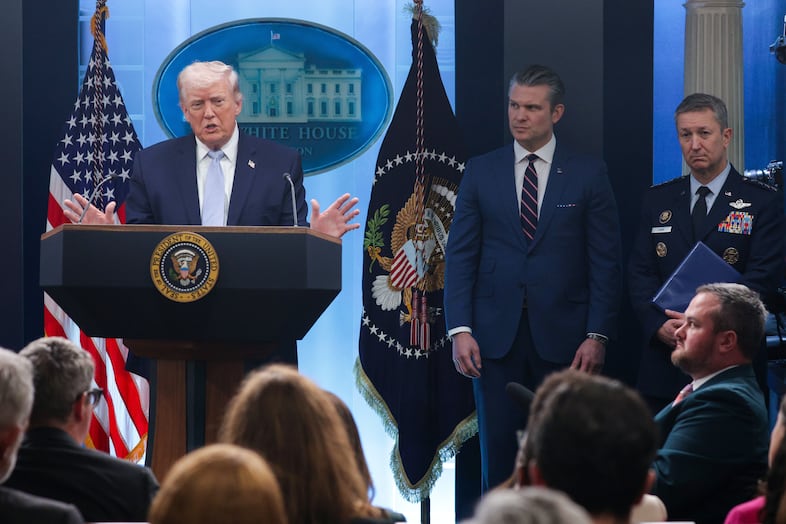
Trump announced he had agreed "to suspend the bombing and attack of Iran for a period of two weeks," citing pivotal conversations with Pakistan's Prime Minister Shehbaz Sharif and Army Chief General Asim Munir. Within hours, Pakistani Prime Minister Sharif announced on social media that both Washington and Tehran, along with their allies, had agreed to "an immediate ceasefire everywhere, including Lebanon." Pakistan has invited delegations from both nations to Islamabad on April 10 for direct talks.
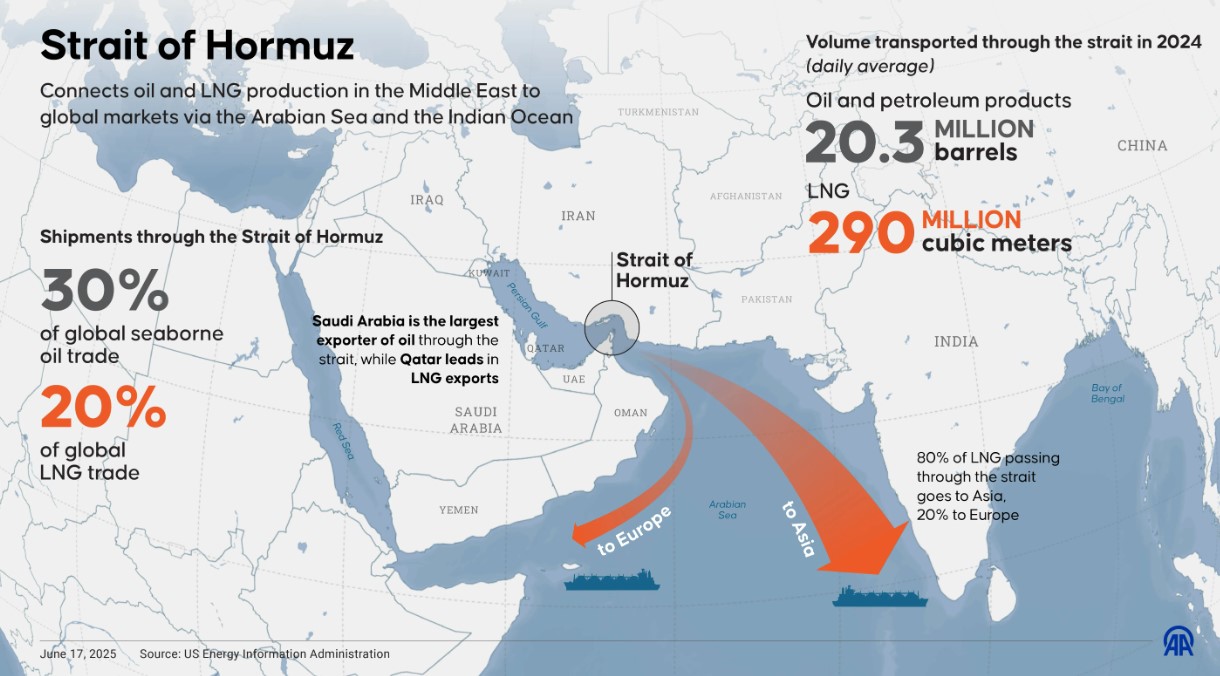
The ceasefire matters globally because it ends, at least temporarily, over five weeks of open military conflict in the world's most energy-sensitive corridor. The Strait of Hormuz, through which roughly 20 percent of all oil and natural gas passes in peacetime, had been throttled by Iran's military posture. Its closure sent shockwaves through global energy markets and supply chains far beyond West Asia.
The Ceasefire Agreement: What Is and Is Not Settled
Iranian Foreign Minister Abbas Araghchi confirmed on April 8 that safe passage through the Strait of Hormuz would be possible "via coordination with Iran's Armed Forces" for a period of two weeks. Iran's Supreme National Security Council added that the negotiation window could be "extended by mutual agreement of the parties," suggesting both sides are treating this as a structured pause rather than a resolution.
The agreement, brokered under Pakistani mediation, is built on a framework involving the U.S.'s 15-point proposal and Iran's 10-point plan. According to early reports, Trump described the deal as a "total and complete victory" for the United States. White House Press Secretary Karoline Leavitt echoed that framing, calling it a "victory" made possible by America's military leverage creating negotiating space.
Strategic analysts suggest this language reflects domestic political framing more than diplomatic precision. A true ceasefire would require Iran to formally agree to terms it has publicly rejected, including the dismantlement of its uranium enrichment programme.
Iran's Nuclear Demand: The Fault Line That Could Break Everything
The most dangerous fault line in the Iran Israel war 2026 ceasefire is not military. It is nuclear. Iran's 10-point plan, shared with international media through Iranian diplomats, explicitly demands that the United States "accept uranium enrichment" as a condition for ending the conflict. It also calls for the lifting of all primary and secondary sanctions.
In a significant diplomatic discrepancy, the phrase "acceptance of enrichment" appeared in the Farsi-language version of Iran's 10-point plan but was absent from English translations shared with journalists. This indicates a broader geopolitical shift in how Tehran is managing its message: projecting flexibility internationally while reinforcing maximalist positions domestically.
Trump had previously declared that ending Iran's nuclear programme "entirely" was a core objective of the war. On April 8, when asked about Iran's enriched uranium under the ceasefire deal, he said it would be "perfectly taken care of." That ambiguity is not reassurance. It is the central unanswered question of this agreement, and potentially its breaking point.
"That will be perfectly taken care of or I wouldn't have settled."Donald Trump, U.S. President, AFP interview, April 8, 2026
Israel's Stance: A Ceasefire With Carve-Outs
Israel's position on the ceasefire is acceptance with a significant exemption. Prime Minister Benjamin Netanyahu's office confirmed that Israel backs the U.S.-Iran ceasefire deal, but released a statement making clear that the two-week truce "does not include Lebanon." This directly contradicted Pakistan's PM Sharif, who had announced the ceasefire covers "everywhere, including Lebanon."
Adding to the volatility, Israel's military issued three warnings in rapid succession on April 8 that Iran had launched missiles toward Israeli territory, even as Trump was announcing the ceasefire deal. Iran also continued fire on Israel in the same window. According to early reports, both sides were still in active military exchanges moments after the political announcement was made in Washington and Islamabad.
The Lebanon front, involving Iranian-backed Hezbollah, remains an open and unresolved theatre of this conflict. The ceasefire agreement, as currently structured, leaves a live warzone intact on Israel's northern border, which strategic analysts suggest undermines the credibility of any region-wide pause in hostilities.
The Strait of Hormuz: Why This Waterway Changes Everything
The Strait of Hormuz is critical because it is the only sea route connecting the Persian Gulf's oil-producing nations to the global market. Approximately 20 percent of the world's oil and a significant share of its liquefied natural gas transit this narrow chokepoint daily. When Iran threatened to close or restrict it, every airline, refinery, government, and market on the planet felt the pressure.
Global oil prices had surged for more than five weeks during the conflict, with the International Air Transport Association reporting that jet fuel costs had spiked significantly for airlines worldwide. When news of the ceasefire broke on April 8, markets reacted with rare immediacy: West Texas Intermediate crude lost nearly 20 percent and Brent crude fell as much as 16 percent in a single session. Stock markets surged in tandem, reflecting investor relief at the prospect of energy supply normalisation.
Trump, who declared this moment could mark a "Golden Age" for West Asia, framed the U.S. role in Hormuz going forward as a facilitator of maritime traffic, saying the United States "will be helping with the traffic buildup in the Strait of Hormuz." That language signals Washington's intent to maintain a physical naval presence in the region regardless of how negotiations unfold.
China, NATO and the Fracturing of Alliances
One of the most analytically striking disclosures of April 8 was Trump's claim that China played a role in getting Iran to the negotiating table. "I hear yes," Trump told AFP when asked if Beijing was involved in bringing Tehran to the ceasefire. Trump is scheduled to travel to Beijing in May to meet Chinese President Xi Jinping, which suggests a deliberate alignment of this diplomatic moment with broader U.S.-China re-engagement.
The Iran Israel war 2026 has simultaneously exposed fractures in the Western alliance. Trump publicly branded NATO partners "cowards" for limiting U.S. forces' access to European bases and refusing to lead efforts to open the Strait of Hormuz. NATO Secretary-General Mark Rutte was scheduled to meet Trump in Washington on April 8 to attempt a repair of that relationship. Australia's Prime Minister Anthony Albanese called Trump's threats against Iran's civilian infrastructure "not appropriate," even while welcoming the ceasefire. The transatlantic divide over this war is a secondary geopolitical consequence that will outlast the two-week truce.
Strategic Analysis
This ceasefire is structurally unstable in at least three ways. First, the uranium enrichment question has not been resolved. It has been deferred. Iran's domestic-facing communications confirm that Tehran considers enrichment non-negotiable. Trump has declared the same in reverse. A two-week window is unlikely to bridge that gap.
Second, the Lebanon theatre is explicitly excluded from the ceasefire's scope. As long as Israeli operations against Hezbollah continue, Iranian domestic pressure to re-engage will remain intense. The hardliner demonstrations in Tehran on April 8, where crowds burned American and Israeli flags and chanted "Death to compromisers," reflect the political cost Iran's leadership is already absorbing.
Third, Pakistan's mediation, while diplomatically significant, is not backed by enforcement mechanisms. There is no multilateral body, treaty framework, or verification protocol attached to this two-week pause. The Islamabad talks beginning April 10 will be the real test of whether this is a genuine de-escalation or a breathing space for both sides to rearm diplomatically.
Future Scenarios: Three Paths From Here
Scenario 1: Structured De-escalation
The Islamabad talks produce a framework agreement on nuclear oversight in exchange for partial sanctions relief. Iran accepts monitored enrichment limits. Israel agrees to a Lebanon ceasefire under separate terms. The Strait of Hormuz remains open. This is the optimistic path, and the most difficult to achieve.
Scenario 2: Stalemate and Extension
Neither side reaches agreement in two weeks but both agree to extend the pause. Talks continue into May. The nuclear question remains unresolved. Oil markets stabilise at lower levels but geopolitical risk premiums persist. The Lebanon conflict continues as a parallel front, creating recurring escalation risk.
Scenario 3: Collapse and Re-escalation
Iran refuses to move on uranium enrichment. Trump, facing domestic pressure to validate his "total victory" framing, reinstates threats. A military incident in Lebanon or Hormuz restarts active hostilities. According to strategic analysts, this scenario becomes significantly more probable if the Islamabad talks fail to produce even a preliminary framework by April 15.
The Bottom Line
The Iran Israel war 2026 ceasefire is real, but it is not peace. It is a structured pause in an active conflict, negotiated under pressure, with fundamental disagreements on nuclear rights, sanctions, and the Lebanon front still fully intact. Global oil markets have exhaled. Diplomats are boarding flights to Islamabad. But the hardliners in Tehran are burning flags in the streets, Israeli missiles and Iranian rockets were both in the air on the morning of April 8, and the Strait of Hormuz is open only "via coordination" with the Iranian military, not by sovereign right.
What this moment reveals about the West Asia conflict is that all parties, including the United States, Iran, Israel, and their respective allies, have found the cost of continued open war politically and economically unsustainable. That shared exhaustion is the real foundation of this ceasefire. Whether it is strong enough to support a lasting agreement will become clear in Islamabad, beginning April 10.
"The success of our military created maximum leverage, allowing President Trump and the team to engage in tough negotiations that have now created an opening for a diplomatic solution and long-term peace."Karoline Leavitt, White House Press Secretary, April 8, 2026


Comments (0)
Leave a Comment
No comments yet
Be the first to comment