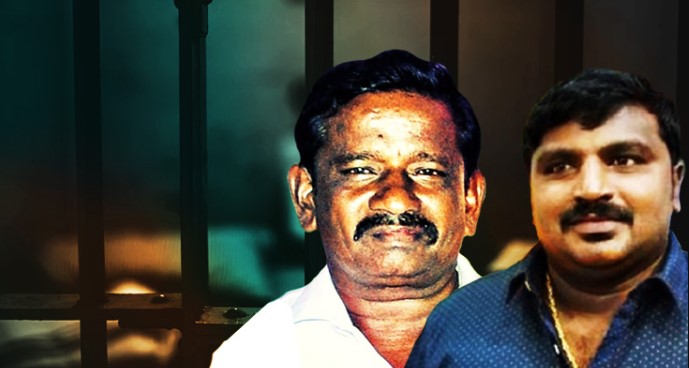
From a June 2020 COVID lockdown arrest to a historic April 2026 death penalty, the Sathankulam case is not just a story of justice delayed. It is a forensic audit of everything that can go wrong inside India's police custody system, and why it matters now more than ever.
Verdict at a Glance: April 6, 2026
Conviction Date: March 23, 2026
Sentencing Date: April 6, 2026
Punishment: Death Penalty (all 9 officers)
Compensation: Rs.1.40 crore to victim's family
Court: First Additional District and Sessions Court, Madurai
Classification: Rarest of Rare
What Happened: The Night That Changed Everything
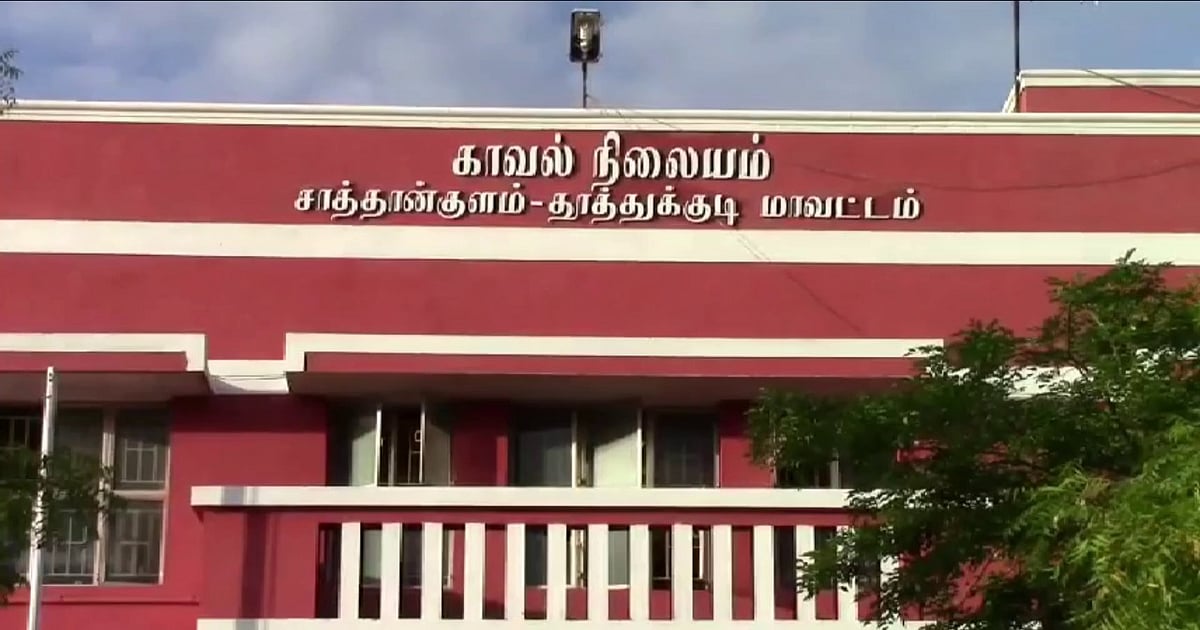
On June 19, 2020, Tamil Nadu trader P. Jeyaraj, then 58 years old, was picked up by Sathankulam police for allegedly keeping his mobile phone shop open after 9 p.m., in violation of COVID-19 curfew rules. When his 31-year-old son J. Benniks went to the station to inquire about his father's arrest, he too was detained illegally. What followed was not a routine lockdown check. Both were subjected to severe physical and sexual assault throughout the night, beaten with lathis and iron rods. Investigations later revealed that they were forced to wipe their own blood off the station floor to destroy evidence.
They were produced before Sathankulam Magistrate D. Saravanan the next morning. The magistrate, citing COVID-19 protocols, remanded them to Kovilpatti sub-jail, located 100 km away, without physically examining them or speaking to them. This single act of judicial negligence compounded an already catastrophic failure of the system. Benniks died on June 22, 2020. Jeyaraj died the following day.
The Six-Year Legal Journey: A Complete Timeline
Jun 19, 2020
Jeyaraj arrested for alleged COVID curfew violation. Benniks detained when he arrived to inquire. Overnight torture begins at Sathankulam Police Station.
Jun 22-23, 2020
Benniks dies June 22. Jeyaraj dies June 23. Public protests erupt across Tamil Nadu. Inspector and Sub-Inspectors suspended.
Jun 24, 2020
Madurai Bench of Madras High Court takes suo motu cognizance. Court orders the Sathankulam Police Station locked to preserve evidence. Videographed autopsy ordered.
Jul 7, 2020
State government transfers investigation to CBI under pressure from public outrage and political opposition led by M.K. Stalin.
Sep 26, 2020
CBI files chargesheet of over 2,000 pages against 10 police officers under IPC Sections 302, 342, 201, 182, 193 and others. Sub-Inspector Pauldurai dies of COVID-19 during investigation.
2021-2025
Trial proceeds before five different Sessions judges. Multiple bail petitions by accused dismissed. The Judicial Magistrate cross-examined over 26 hearings. Accused attempt delays, one tries to turn approver. Plea rejected.
Mar 23, 2026
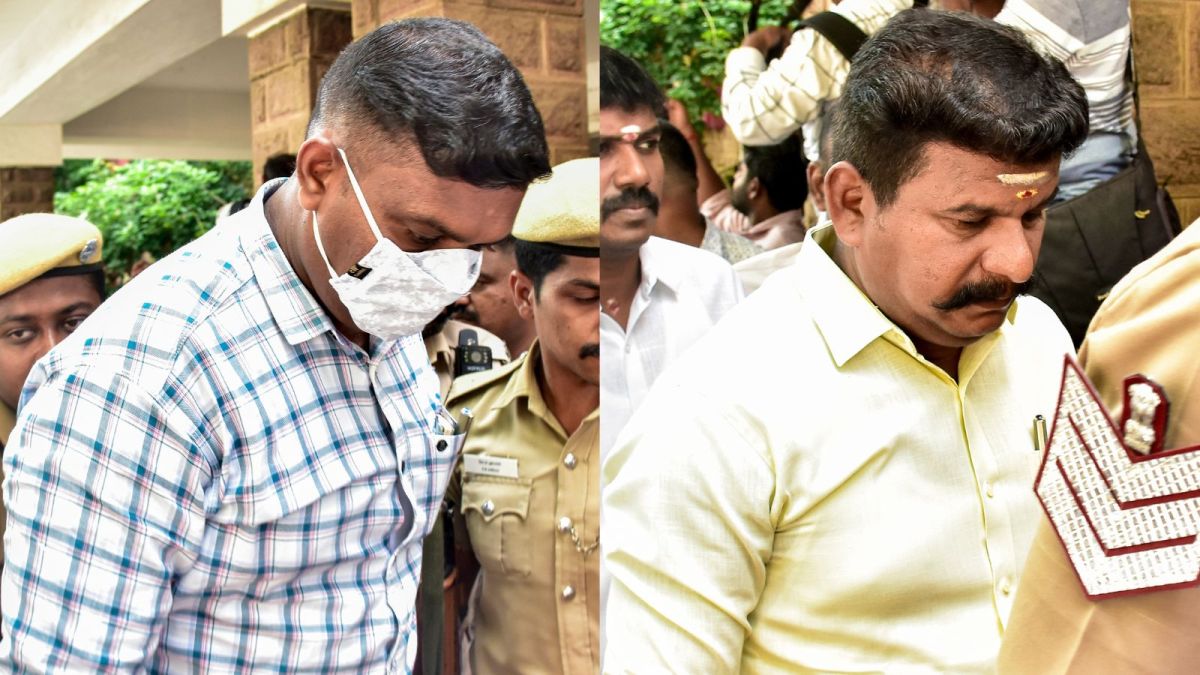
Judge G. Muthukumaran convicts all nine police officers. Seeks property statements and medical reports before final sentencing.
Apr 6, 2026
All nine officers sentenced to death. Court classifies it as rarest of rare. Rs.1.40 crore compensation ordered for the victim's family.
Why the Court Called It Rarest of Rare
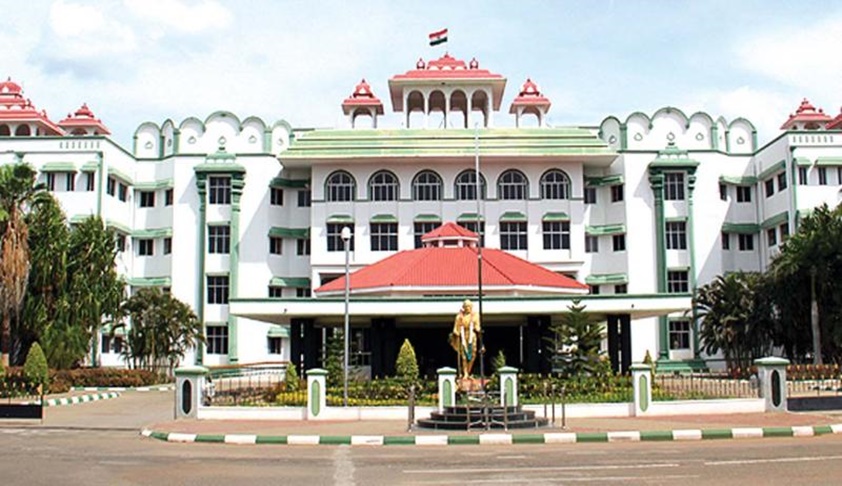
The rarest of rare classification under Indian criminal jurisprudence is reserved for crimes that shock the collective conscience of society. Judge Muthukumaran's reasoning was analytically significant. He stated plainly that if ordinary citizens had committed the same crime, ordinary punishment could have been given. But because the accused were police officers, entrusted by the Constitution to protect citizens, the crime represented a fundamental betrayal of state power. Jeyaraj and Benniks had no prior criminal record. They had not committed any offence serious enough to justify detention, let alone death.
"The police themselves have committed the crime. The case was a rare one where the police officers, who were obligated to maintain law and order, had themselves acted against the law and brutally assaulted the father and son, who did not have any criminal case against them." - Judge G. Muthukumaran, First Additional District and Sessions Court, Madurai, April 6, 2026
What Comes Next: The Legal Road Ahead
A death penalty verdict in India is not the final word. The convicted officers will almost certainly appeal to the Madras High Court, which will conduct a mandatory death sentence confirmation hearing. If the High Court upholds the sentence, the accused can appeal to the Supreme Court of India. Beyond that, a presidential mercy petition remains an option under Article 72 of the Constitution. Given the scale of public attention and political significance of this case, each stage of appeal is likely to be closely watched. The compensation of Rs. 1.40 crore ordered by the court will be enforced through property confiscation if the accused fail to pay directly.
Separately, questions remain about those who escaped criminal accountability: the magistrate who remanded the duo without physical examination, the doctors who failed to note the severity of injuries, and members of the community policing initiative "Friends of the Police" who participated in or enabled the violence. Civil society groups have flagged these omissions throughout the trial.
Lessons: For Police and for the Public
For Police and Law Enforcement
01
Uniform accountability is real. This verdict removes any remaining assumption that a badge provides immunity from criminal prosecution. Nine officers, from inspector to constable rank, received the same sentence as any civilian murderer would face.
02
Evidence destruction is not a shield. Forcing detainees to wipe their own blood, tampering with records, and coordinating a cover-up was systematically unravelled by forensic investigation. Digital and forensic evidence preserved this case.
03
Custody requires documentation, not discretion. Every hour a person is in custody must be logged, medically assessed, and overseen. The absence of CCTV footage inside Indian lock-ups remains a structural gap that enabled this crime.
For the General Public
01
Rights during custody are non-negotiable. Every person remanded to custody has the right to legal representation, medical examination, and contact with family. These rights exist regardless of the nature of the arrest or any emergency protocol.
02
Public outcry, when sustained, accelerates institutional response. The CBI transfer, the Madras High Court suo motu action, and ultimately this verdict were all triggered by citizen-level outrage that refused to dissipate. Democratic accountability is not passive.
03
Justice delayed is still justice, but reforms cannot wait for verdicts. As Jeyaraj's daughter Persis said, such violence tends to fall on ordinary people, not the powerful. Systemic custodial reform through mandatory CCTV in police stations, independent custody oversight, and physician accountability must follow this verdict.



Comments (0)
Leave a Comment
No comments yet
Be the first to comment