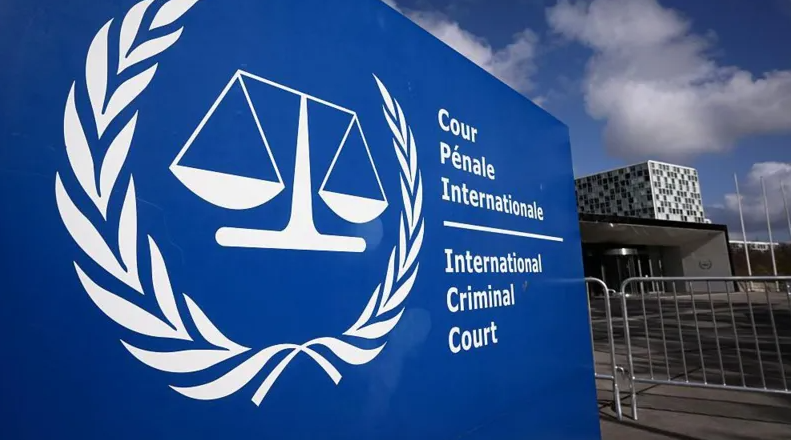
Two American advocacy organizations have taken the Trump administration to federal court, arguing that sanctions targeting the International Criminal Court violate the free speech rights guaranteed under the U.S. Constitution. The case, filed this week in New York, adds a fresh constitutional dimension to an escalating standoff between Washington and The Hague.
What the Lawsuit Alleges
The legal challenge was filed by the Washington-based DAWN rights organization and the Taxpayers Alliance Against Genocide, targeting sanctions the Trump administration imposed beginning in February 2025 in response to ICC arrest warrants for Israeli officials. The plaintiffs say the penalties reach far beyond their stated targets.
According to the complaint, the sanctions violate Americans' constitutional right to engage in Palestine-related human rights advocacy by limiting what people can say to an international tribunal or foreign advocates, and by restricting their ability to associate with sanctioned parties.
Key claims in the filing include:
- The order chills lawful advocacy and communication protected under the First Amendment.
- Trump's opposition to the ICC traces back to his first term, when a similar 2020 executive order was blocked by a judge who found it likely violated the First Amendment, before it was rescinded in 2021.
- The sanctions allegedly conflict with the International Emergency Economic Powers Act (IEEPA), a 1977 law that bars the president from using sanctions to restrict personal communications or informational materials.
- The groups say they refrained from filing submissions with the ICC or coordinating advocacy with sanctioned individuals, including UN Special Rapporteur Francesca Albanese, out of fear of fines and prison time.
The Political and Diplomatic Backdrop
The dispute stems from an executive order Trump signed in February 2025 that authorized sanctions against ICC judges, prosecutors, and organizations that pushed the court to investigate alleged war crimes by Israel in Gaza. Trump officials renewed the sanctions push last year after the ICC issued an arrest warrant for Israeli Prime Minister Benjamin Netanyahu.
The timing of the lawsuit is notable. Days before it was filed, Secretary of State Marco Rubio published an opinion piece laying out a case for dismantling the ICC entirely, specifically citing DAWN's calls for an investigation into the U.S. bombing campaign against Iran. Earlier this week, the administration signaled it would expand sanctions, including travel bans for ICC staff, while intensifying diplomatic pressure on the court.
International Reaction
The response from allies has been sharp. A European Commission spokesperson pushed back on the sovereignty argument, noting the ICC does not target sovereign states. The Dutch Foreign Ministry said it was concerned about the hardened tone from Washington, even though the U.S. position itself was not new.
Where Litigation Stands
This is not the administration's first defeat on this front. A federal judge in New York previously ruled in favor of two law professors who argued the sanctions violated their First Amendment right to advise the ICC prosecutor's office. Sanctions against Albanese were also briefly lifted following a court order in May, though they were reimposed after the administration appealed. Separately, three ICC judges have filed their own lawsuit challenging the sanctions.
Legal Stakes and What Comes Next
The core constitutional question is whether economic sanctions, a foreign policy tool traditionally given wide deference by courts, can be used in a way that restricts domestic political speech and association. Government officials have defended the sanctions as necessary to counter what they call illegitimate actions targeting the United States and its ally Israel.
No American has ever been prosecuted by the ICC, though the court maintains open investigations tied to Afghanistan that once included U.S. military and intelligence personnel. The U.S. and Israel are not ICC member states; the court was established in 2002 with jurisdiction over genocide, crimes against humanity, and war crimes.
Given the 2020 precedent, in which a nearly identical order was struck down on First Amendment grounds, legal analysts will be watching closely to see whether the same reasoning holds. The outcome could shape how far future administrations can stretch sanctions authority into areas touching political speech and advocacy.


Comments (0)
Leave a Comment
No comments yet
Be the first to comment