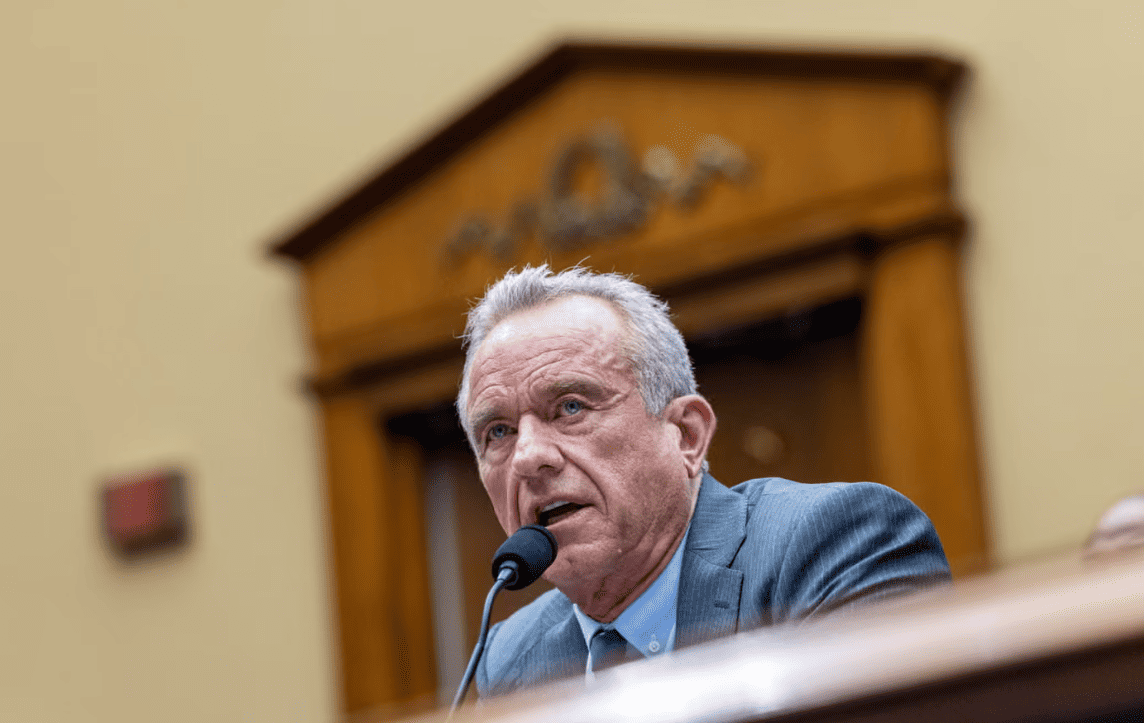
Health Secretary Robert F. Kennedy Jr.'s sweeping changes to the nation's vaccine policy are now tangled in multiple federal lawsuits, with courts, state attorneys general, and medical societies pushing back on how those changes were made. The legal fight is reshaping how families, pediatricians, and public health officials plan for the months ahead.
How the Legal Fight Began
The dispute traces back to June 2025, when Kennedy dismissed all seventeen voting members of the Advisory Committee on Immunization Practices (ACIP) and replaced them with his own appointees. Critics say many of the new members lacked the scientific background required under the committee's own charter.
The reconstituted panel then made a series of consequential decisions:
- Eliminating the universal recommendation for a hepatitis B birth dose, a vaccine long credited with preventing perinatal infection.
- Downgrading broad COVID-19 vaccine guidance.
- Supporting a January 2026 CDC decision memo that cut routinely recommended childhood vaccinations from seventeen to eleven, removing guidance on rotavirus, meningitis, hepatitis A, influenza, and RSV.
A coalition of 15 Democratic-led states, along with the Pennsylvania governor's office, filed suit in San Francisco federal court challenging both the ACIP overhaul and the schedule changes. Separately, the American Academy of Pediatrics (AAP) and other medical organizations brought their own case in Massachusetts.
What the Courts Have Ruled So Far
In March 2026, U.S. District Judge Brian Murphy in Boston sided with the pediatricians' coalition, ruling that the government had likely violated the Administrative Procedure Act. His order:
- Blocked Kennedy's ACIP appointees and invalidated votes the reshaped panel had already taken.
- Halted the CDC's reduction of the childhood vaccine schedule.
- Barred ACIP from holding further meetings until the court reviews whether its reconstitution was lawful.
Judge Murphy wrote that health policy decisions have historically followed a scientific method codified into law, and that the government had disregarded those procedures, undermining the integrity of its own actions.
Where the Case Stands Now
The Department of Justice appealed the ruling to the First Circuit in April, and the case remains active. The appeal itself was brief and did not detail the government's legal arguments. Richard Hughes, the attorney representing the pediatricians' group, said he remains confident the government will not prevail on appeal.
Adding another layer to the dispute, HHS later revised ACIP's governing charter in a way some observers say was designed to address the qualifications concerns raised in court. Children's Health Defense, a vaccine-skeptical group founded by Kennedy, has since argued the revised charter should change the trajectory of the case, though the court has not allowed the group to formally join the litigation.
Why This Matters for Families
Public health researchers estimate that routine childhood vaccination in the U.S. prevented roughly 508 million illnesses and over a million deaths between 1994 and 2023. Pediatric groups warn that prolonged uncertainty over the schedule, even amid ongoing court battles, risks eroding parental confidence regardless of the eventual legal outcome.
Medical experts continue to urge parents to discuss any vaccine schedule questions directly with their pediatrician rather than relying on shifting federal guidance during the litigation.



Comments (0)
Leave a Comment
No comments yet
Be the first to comment