Global Energy Markets on Alert
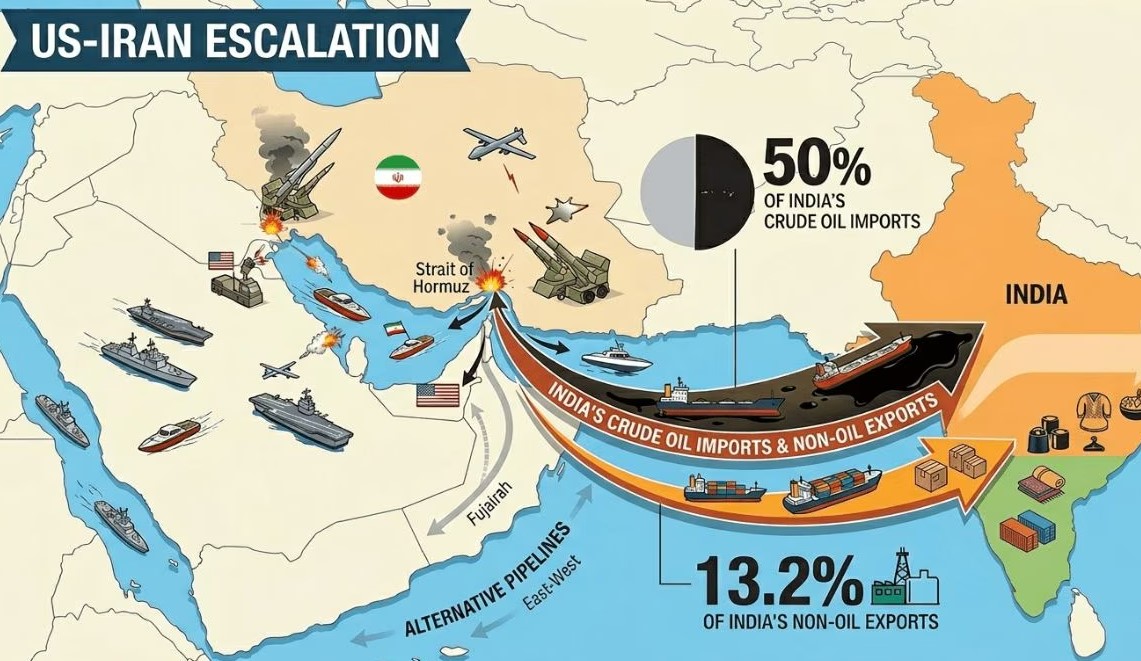
The world's supply of electricity has been stressed and has started to move too quickly. From oil fields to traders in London and New York, global energy markets reacted violently to rising oil and gas prices resulting from escalating violence (strikes) being conducted in the Middle East as a form of military retaliation. This has escalated to generating a high-stakes confrontation over a critical chokepoint of global commerce (the Strait of Hormuz oil crisis), and the world's affected by the ripple effects of that confrontation every minute.
What Caused the Spike?
Energy Infrastructure Targeted
The initial trigger was a series of attacks related to Iran in retaliation for on-going military actions by the United States and Israel. Energy infrastructure had been seen as a red line for many years, but all of a sudden, it became vulnerable.
In Saudi Arabia, Aramco’s Ras Tanura refinery evacuated workers as a result of a reported drone attack.
In Qatar, QatarEnergy stopped production of liquefied natural gas after what they refer to as "military attacks" on its facilities in Ras Laffan Industrial City.
UK Maritime Trade Operations Centre has reported multiple vessel attacks occurring in close proximity to the Strait of Hormuz.
Due to these events, Brent Crude rose momentarily to $82 per barrel, and European gas prices spiked as much as 50 percent before settling at 39 percent higher than the market close.
"This is not normal volatility," said one energy analyst. "It is the return of a geopolitical risk premium into the marketplace".
Why The Strait Of Hormuz Is Important
The Artery Of The Global Oil Trade
Each day, around 20% of the world's oil and gas flow through the strait, a narrow waterway between Iran and Oman, which acts like a main artery when it comes to global energy supplies.
When Iran threatened to stop vessels from travelling through the strait, shipping traffic slowed down dramatically. Reports from shipping trackers have shown that there are currently approximately 150 tankers anchored offshore waiting to cross the strait. The cost of insuring these vessels has increased, while freight rates charged to transport these goods have also risen and confidence has decreased.
The mere perception that a disruption could occur in this area has the ability to influence markets.
According to one analyst, "At this moment, due to Iran's threats, the strait is essentially shut down," which has caused great concern in many energy importing countries that are already experiencing high levels of inflation.
Who’s in jeopardy?
1. Stock market response.
American stock market opened, being nervous upon opening but between afternoon and evening, the nervousness turned into jitters or wild panic as traders became JIT bored.
The S&P 500 and NASDAQ index both had lowered values after starting at reasonable levels before getting back to about the same value or slightly below. London FTSE 100 down 1.2% beaten mainly by airlines and banks, France CAC 40 dropped 2.2%, and Germany’s DAX ended down 2.6%, but overall also most transportation stocks ended down over 1%. Airline stocks were heavily impacted as airlines have had to re-route flights around the Middle East, due to Middle East countries restricting the Middle East Airspace. Bank stocks also fell as it was clear that prolonged oil price inflation could delay interest rate cuts by central banks (i.e Federal Reserve Board). Oil producing companies and defense companies were the only sectors online that had good positive performance with others trying to find some level of bottom where management and investors will define how close they are to bottom levels. An additional unique comment about the stock market: "Equity market is paying more attention to oil versus earnings."
2. Gas prices.
If global tensions continue, consumers will quickly notice impact on-pump prices.
Traders are reacting immediately to negative geopolitical headlines, through the price of pump gas (if no supply shortages), can go up without setting any new records, within a week after the initial negative headline from a conflict. History shows that sustained high oil prices negatively affect historically, all other consumer goods or raw material prices with:
- Increase in food prices;
- Increase in agriculture cost
- Increase industrial commodity costs;
- Increase transportation costs; and,
- Inflation is likely to be reignited after easing.
According to a gas industry executive, "The impact of gas pump price increases will dependant upon how long the current geopolitical conflict lasts."
3. Establishing Central Banks under Stress
As inflation has recently declined; the BofE has started to slowly reduce their interest rates. However, should the price of oil be above USD 100/Barrel due to an extended conflict, policy makers may restrict the use of interest rates altogether.
Higher energy costs typically have a multitude of implications, including:
Slower growth
Reduced discretionary household spending
Increased inflationary pressures
Holding back potential easing of monetary policy
The potential for war in the Gulf to influence monetary policy/interest rate decisions both in Europe and North America appears very real.
According to a senior economist, “the higher energy prices will quickly begin to flow through to other prices, including food, agriculture and industrial commodities. This will be the catalyst for a resurgence of inflation.”
Is the Oil Crisis Here?
Not Quite, but Increasingly Likely
Experts believe the current price for oil is still less than the extreme price seen in the last 2 years. The OPEC + group has decided to increase production by 206,000 barrels per day to help ease some of the pain that will occur, but nobody knows how much it will help at this time.
For the time being, the market is tense - not panicked.
The most important factor moving forward, however, will be how long the situation remains in this state of flux.
If shipping lanes are quickly reopened and the energy structure is not damaged, we may see the price of oil stabilizing. If the number of attacks increases, or if the energy infrastructure becomes a primary target of the attackers, then we could see the prices of oil and energy move upward increasingly more than already seen.
A Larger Strategic Game
Energy as a Source of Influence
The attacks on energy infrastructure make an economic statement as well.
Energy is power - both literally and internationally. To disrupt the flow of energy sends a message to the other party that goes beyond mere battlefields. It has the potential to put pressure on enemies, create anxiety among allies, and test the will of the world to resist these changes.
Shipping companies have already begun to reroute their fleets. Maersk (the largest shipping company in Denmark) has decided to suspend shipping through all of its normal channels and instead will take the long route around the Cape of Good Hope rather than through the Bab el-Mandeb Strait or the Suez Canal.
Taking this longer route will add additional time to the delivery of the goods. The addition of time will add to the delivery costs as well, thereby causing inflation. The inflation will cause political changes in many of the countries involved.
What Will Happen Next?
The Markets' Interest In Three Areas
Will the flow of traffic through the Strait of Hormuz please return to normal?
Are energy clients and electric transmission lines being rendered to be secondary targets?
Can we use diplomatic back-channel communications to proceed toward de-escalation between countries?
If order is restored soon, be prepared for a shock that is both significant – and brief.
If the flow of traffic, energy clients, and electric transmission line availability do not return to normal soon after the start of this war, we may witness another time in which the price of global energy becomes the most important component used to establish the state of the economic system – as occurred after several of the military conflicts in the Gulf region.
The Global View – A Regional War Has Global Consequences
This situation shows how the definition of a true "regional" war is oftentimes defined by geographical boundaries. When one country (or several) is affected due to war, it affects many other countries in the world (the example of a drone strike in the Gulf causing the mortgage rate in London to change is one).
When an oil-tanker that is waiting to leave Iran cannot do so due to this war (which causes food prices to rise in Mumbai), or if a Saudi Arabian refinery must be evacuated because of the war (which would adversely affect retirement savings in New York), this type of war will change each country in the world.
Although a country may be thousands of miles away, when local events result in global ramifications, the results of those events will have a worldwide impact.
In summary, the Strait of Hormuz will be closely monitored, with all eyes watching whether the sale and transportation of oil will continue or be affected by the war, and furthermore will the global economy continue to be capable of supporting GDP growth.



Comments (0)
Leave a Comment
No comments yet
Be the first to comment