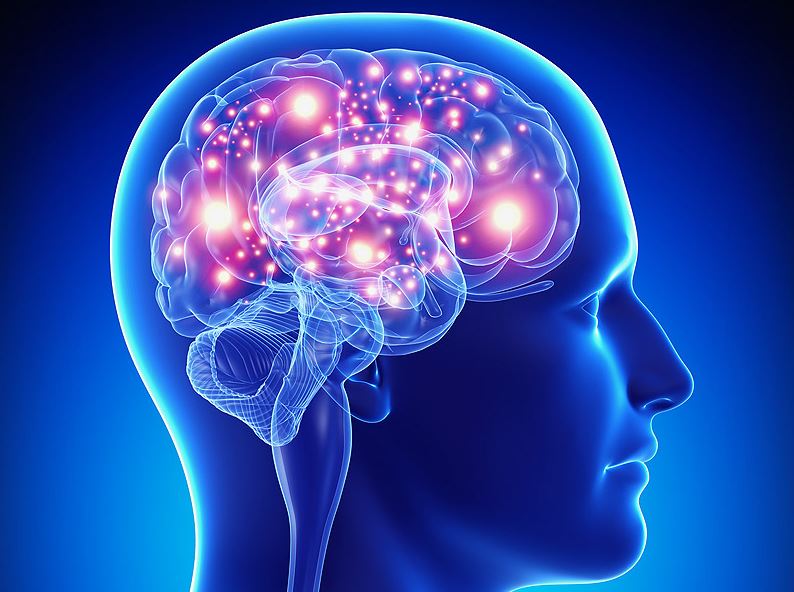
When standard medicines that stop seizures do not work people with epilepsy and their doctors have a situation. About one-third of people who are diagnosed with epilepsy have a type that does not respond to medicines. This is called drug- epilepsy. It means that least two right medicines do not stop seizures for a long time. For years doctors tried to make new medicines to fix the problem. These medicines tried to change how the nerves in the brain work.. One of the best ways to help without medicines is a special way of eating that was first used more, than 100 years ago.
The way the ketogenic diet epilepsy has changed over time. It started as something doctors noticed a time ago. Now it is a way to treat epilepsy by changing how the body uses energy. Scientists and diet experts now know that changing how cells get their energy can change the brains chemistry. This can lower the chances of seizures. Calm the brains activity.
The Metabolic Shift: How the Ketogenic Diet Alters Brain Bioenergetics
The nervous system needs a flow of energy to keep the electrical balance in cells and help them send messages to each other. Normally the brain gets most of its energy from glucose. When there is not glucose because someone is not eating or is avoiding carbs the liver starts breaking down fat into special molecules called ketone bodies. These include acetoacetate, beta-hydroxybutyrate and acetone.
These ketone bodies move through the blood-brain barrier using transporters. They become an extra source of fuel for brain cells. This change, in fuel affects the way cells work. It gives protection to the brain that regular medicines often cannot offer.
Neurotransmitter Regulation and GABA Synthesis
One key mechanism driving epilepsy diet therapy is epilepsy diet therapy’s effect on neurotransmitter balance. Seizures happen when excitatory signals overpower signals in the brain’s networks.
Glutamate clearance: Ketones alter how the brain handles glutamate, which is the excitatory neurotransmitter. By moving glutamate, from excitatory pathways and into energy production cycles the diet lowers the chance of excitotoxicity.
GABA synthesis: I notice that the metabolic shift boosts the production of decarboxylase, the enzyme that turns glutamate into gamma‑aminobutyric acid or GABA. GABA serves as the brain’s inhibitory neurotransmitter GABA steadies hyperactive neural circuits and raises the seizure threshold.
Mitochondrial Function and Neuroinflammation
Beyond the balance of neurotransmitters burning ketones improves bioenergetics. Ketone metabolism produces reactive oxygen species than glucose metabolism, which lowers oxidative stress in brain areas that are vulnerable.
Beta-hydroxybutyrate also functions as an internal signaling molecule that blocks the NLRP3 inflammasome, which calms the chronic neuroinflammation that is frequently seen in drug‑resistant conditions. Together these cellular changes stabilize membranes making neuronal membranes less prone, to spontaneous synchronized firing.
Clinical Protocols: Structuring the Classic Keto Diet Plan
Medical ketogenic therapy has to be supervised clinically and the macronutrients have to be calculated accurately . It is quite different than commercial low-carb diets for weight loss.
Understanding Dietary Ratios
A classic keto diet plan is based on a ratio of fat to non-fat, by weight in grams.
4:1 ratio: Standard protocol is 4 grams of fat for every 1 gram of combined protein and carbohydrate. This equates to about 90% of total calories per day from dietary fat, 6% from protein and 4% from carbohydrates.
3 to 1 ratio: A slightly less restrictive calculation typically used for infants, teenagers who need more protein for growth or people who are getting started on the therapy.
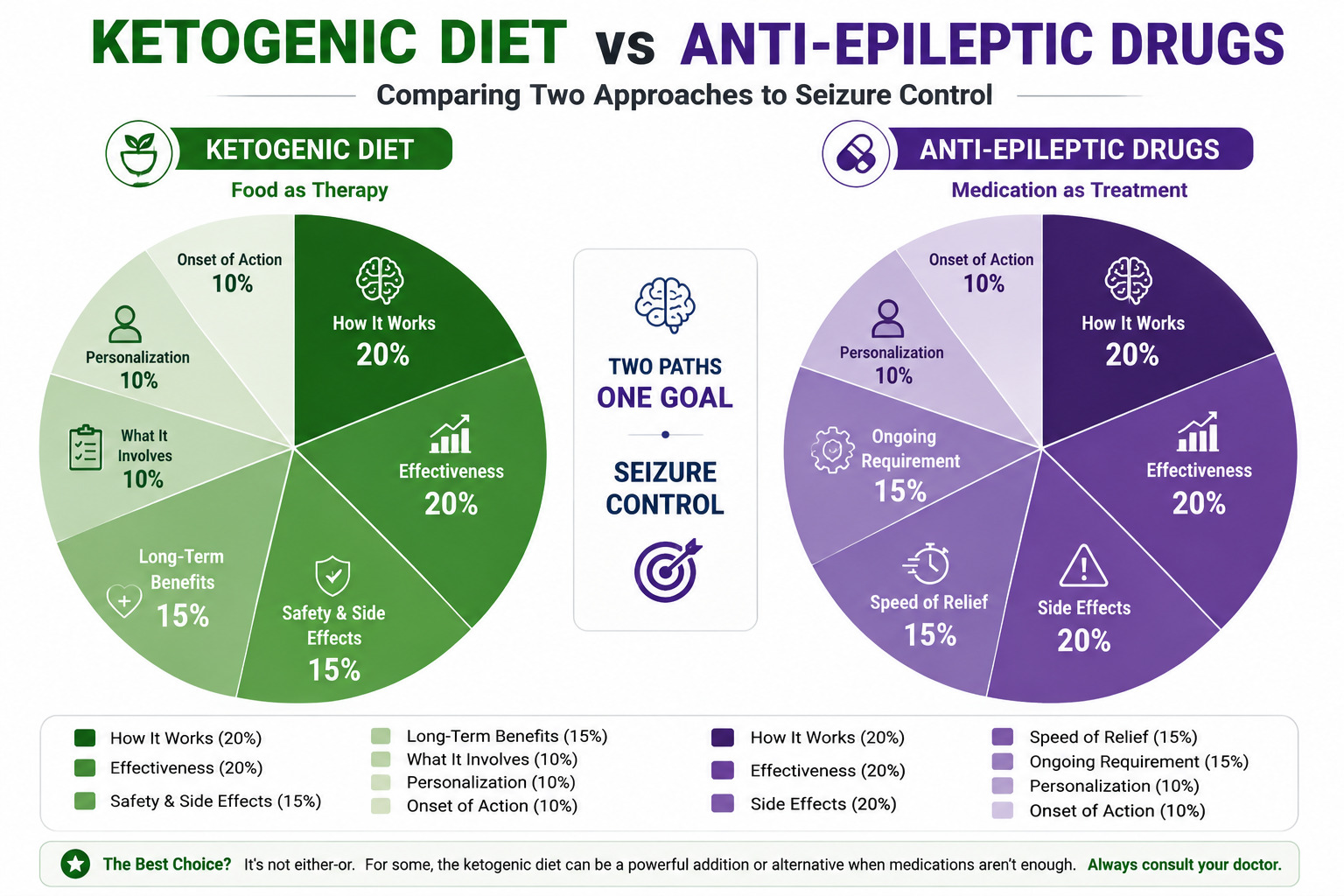
Medical Supervision and Monitoring
Metabolic therapy should be initiated by a multidisciplinary team, including a pediatric or adult neurologist and a clinical dietitian with relevant expertise. Continuous surveillance is required for patient safety.
Baseline assessments: screening for underlying metabolic disorders such as carnitine deficiency or pyruvate carboxylase deficiency where high-fat intake is contraindicated.
Regular lab panels: Monitoring blood ketone levels, lipid panels, liver function, kidney function, and trace mineral levels.
Supplementation: To prevent nutritional deficiencies, sugar-free vitamins and minerals are legally prescribed, including vitamin D, calcium, selenium, zinc, and B vitamins.
Constructing a Clinical Menu: Ketogenic Diet for Epilepsy Food List
To be able to implement the diet therapy, exact weighing down to the gram is necessary and a digital kitchen scale is used. Each meal must strictly adhere to the specified macronutrient ratio to stay within therapeutic ketosis.
Core Staples and Recommended Foods
A functional ketogenic diet for epilepsy food list is based on high-fat foods with specific amounts of lean protein and low-carbohydrate vegetables.
Healthy fats and oils: Heavy whipping cream, butter, ghee, extra virgin olive oil, avocado oil, coconut oil and medium chain triglyceride oil
Protein: Wild fish, chicken, eggs, beef, pork. Weigh it out to the exact amount you need to hit the bare minimum per day to maintain your muscles without breaking ketosis.
Low-carbohydrate vegetables: Spinach and kale, plus broccoli, cauliflower, zucchini, and celery, served in carefully measured portions to ensure dietary fiber.
Nuts and seeds: Macadamia nuts, walnuts, chia seeds, flaxseeds in specific amounts as guided by a dietitian.
Foods to Eliminate Completely
It is crucial to avoid hidden sugars and simple carbohydrates if you want to maintain consistent anti-seizure efficacy. One high-carb meal can knock you out of ketosis and trigger breakthrough seizures.
Grains and starches: Bread, pasta, rice, corn, cereal, oats, and potatoes.
Sugars and sweeteners: Table sugar, honey, agave nectar, maple syrup, and any food containing high-fructose corn syrup.
Fruits and juices: All standard fruits and fruit juices, with occasional exceptions for micro-measured portions of berries if permitted by the dietitian.
Medications with hidden carbs: Liquid syrups, chewable tablets, and elixirs that contain carbohydrate additives or artificial bulk sweeteners.
Conclusion
The advent of metabolic neurology is proof that dietary intervention is far more than an alternative lifestyle choice. This is intensive, specialized medical care. For millions of people with drug-resistant epilepsy, switching fundamental fuel sources for cells is a proven way to calm down overactive networks of neurons. As research continues to uncover metabolic and epigenetic pathways involved in seizure control, the ketogenic diet epilepsy therapy based on a clinically supervised classic keto diet plan, a carefully formulated ketogenic diet for epilepsy food list, and regular epilepsy diet therapy monitoring, remains an important bridge between clinical nutrition and advanced neuroprotective care.
To explore more Health and facts-related articles. Read More..




Comments (0)
Leave a Comment
No comments yet
Be the first to comment