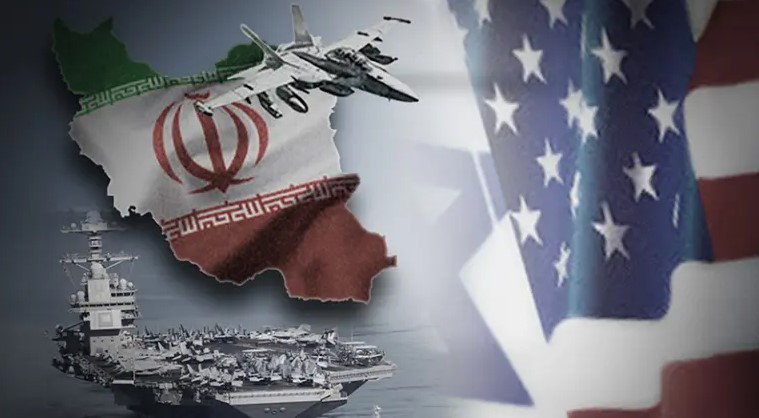
The US-Iran conflict, which escalated into full-scale war on February 28, 2026, is no longer just a Middle East crisis. It is a global economic event. Oil prices are surging past $105 per barrel, Asian stock markets are collapsing, and supply chains are under serious pressure. We sat down with a senior international relations and economics expert to understand what this conflict means for India and the world.
Q: Can you briefly explain how the US-Iran war started and why it matters now?
The conflict has deep roots, but the breaking point came when the United States and Israel launched joint airstrikes on Iran on February 28, 2026. The stated goals were regime change and dismantling Iran's nuclear and missile infrastructure. Iran retaliated with missile and drone strikes on US military bases and allied nations across the region. What started as a targeted military operation has now entered its second month with no clear exit strategy from either side.
Q: What is the single biggest economic consequence the world is facing right now?
Without question, it is the Strait of Hormuz. Iran has effectively blocked this critical waterway, which carries roughly 20 percent of the world's oil supply. According to the International Energy Agency, this is the largest oil disruption in recorded history. Brent crude has surged more than 50 percent since the war began. The IEA and 32 member nations have released 400 million barrels of emergency reserves trying to stabilize prices, but it is not enough.
Q: How is India specifically being impacted?
India is heavily exposed. We import over 85 percent of our crude oil, and a significant portion comes through Gulf routes. When oil crosses $100 per barrel, every sector feels it. Fuel prices rise, transportation costs go up, and inflation follows. Indian exporters relying on Gulf supply chains are also facing shipping delays and higher freight costs. The rupee comes under pressure whenever oil spikes this hard.
Q: What about Indian students and young professionals?
This is an underreported angle. Indian students and workers in Gulf countries face genuine uncertainty right now. Countries like Kuwait, Bahrain, the UAE, and Saudi Arabia have all faced Iranian drone and missile attacks in recent weeks. Remittances from Indian workers in these regions contribute billions to our economy annually. Any large-scale evacuation or job loss there would create a serious secondary economic shock for Indian families.
Q: Can diplomacy still resolve this conflict?
There are signals, but they are fragile. Pakistan has emerged as a potential peace broker, with foreign ministers from Pakistan, Saudi Arabia, Turkey, and Egypt meeting in Islamabad to push for de-escalation. Iran's President Masoud Pezeshkian has stated that Iran is ready to stop fighting if it receives guarantees against future attacks. However, Iran's foreign minister has also said the country is prepared to sustain conflict for at least six months. The gap between both sides remains wide.
Q: What should Indian businesses and individuals do right now?
Three things. First, watch the Strait of Hormuz closely. If it reopens even partially, oil prices will begin to ease. Second, businesses should diversify their energy import sources and hedge fuel costs wherever possible. Third, for individuals, now is not the time for speculative investments in sectors like aviation, logistics, or manufacturing that are directly exposed to oil price volatility.
Q: What is your overall assessment of where this conflict is heading?
President Trump has said the war is "nearing completion" and projected another two to three weeks of military operations. Iran disagrees entirely and refuses to call any current exchange a formal negotiation. Analysts at CSIS have noted that Iran is shifting from calibrated retaliation to rapid escalation, which signals the conflict may be more prolonged and unpredictable than Washington initially anticipated. The world should prepare for this uncertainty to continue for the near term.



Comments (0)
Leave a Comment
No comments yet
Be the first to comment