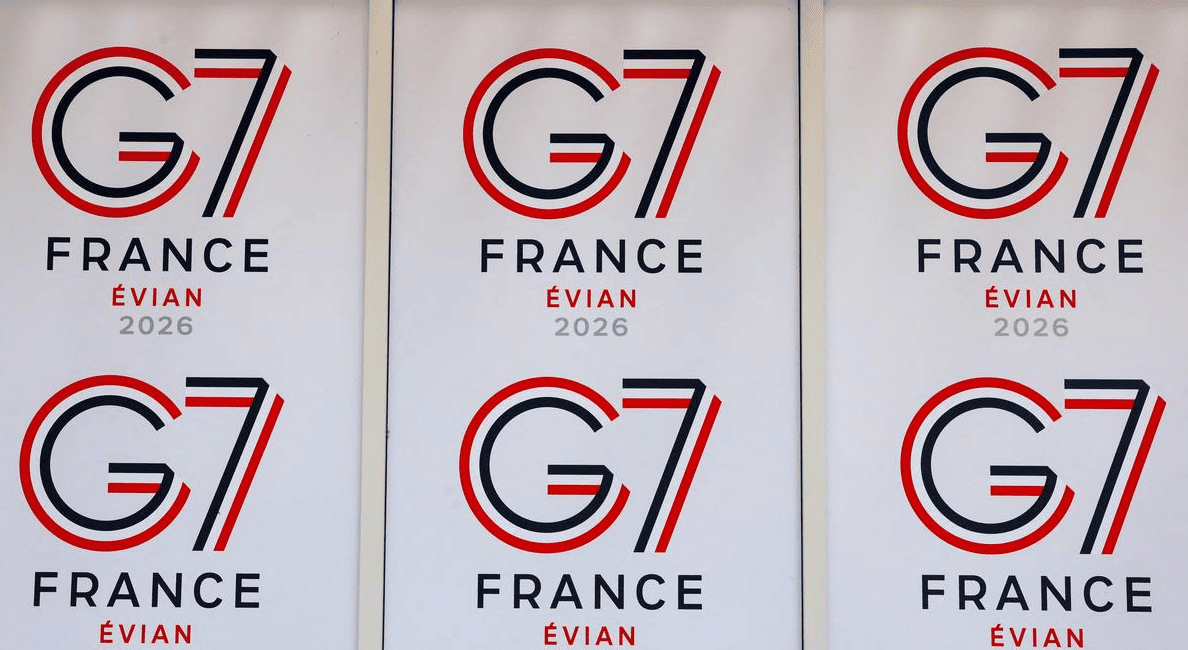
World leaders gathered Monday in the French resort town of Evian-les-Bains for the first G7 summit since the United States and Iran went to war, just one day after President Donald Trump announced an agreement aimed at ending the fifteen-week conflict. The timing turned what was meant to be a routine annual meeting into an urgent session on energy security, nuclear oversight, and the future of sanctions on Tehran.
A Summit Reshaped by a Sudden Peace Announcement
Trump arrived in Evian-les-Bains on Monday afternoon for bilateral talks with French President Emmanuel Macron, followed by a working dinner with all G7 leaders. The mood differed sharply from a year earlier, when Trump left the same summit early as the Israel-Iran conflict escalated, a departure that preceded the U.S. military strike known as Operation Midnight Hammer.
Several details shaped the opening day of the gathering:
- Trump is extending his stay in France through Wednesday to dine with Macron at the Palace of Versailles, an unusual addition to the standard summit schedule.
- Macron opened the meeting by congratulating Trump on reaching the agreement, calling it an important step toward peace.
- Several G7 leaders had previously criticized how Washington managed the conflict, creating friction even as they welcomed its apparent end.
- Vice President JD Vance confirmed a sixty-day period of technical talks would follow to work out implementation details.
What Leaders Are Trying to Resolve
The Strait of Hormuz and Global Oil Supply
The Strait of Hormuz carries close to a fifth of the world's oil supply, making its status central to the discussions. Vance indicated the administration expects the waterway to reopen on a toll-free basis over the long term, though officials acknowledged that many specifics still need to be worked out during the technical talks period. Britain and France have both signaled interest in assisting with demining operations in the strait once the ceasefire holds.
Iran's Nuclear Stockpile and Sanctions Relief
A second major issue is what happens to Iran's stockpile of highly enriched uranium. The Vance interview suggested Washington is open to easing the sanctions regime that has constrained Iran's economy for years, but only in exchange for sustained compliance with inspection and verification requirements tied to Iran's nuclear program. Macron listed this nuclear and ballistic question among his top priorities for the summit, alongside support for Lebanon and reducing European dependence on the region for energy.
Other agenda items raised by Macron include:
- Reviewing the practical consequences of the new U.S.-Iran agreement.
- Coordinating support for Lebanon amid regional instability.
- Securing a lasting reopening of the Strait of Hormuz.
- Finalizing terms for Iran's nuclear and ballistic missile activity.
- Diversifying energy routes to reduce reliance on the Gulf region.
Ukraine Still Looms Over the Agenda
Even with Iran dominating headlines, Ukraine remains a parallel concern for European leaders. Macron said he intends to press Trump to keep supporting Kyiv and to increase pressure on Russia, arguing that a credible peace process requires sustained backing rather than a pause in support. Ukrainian President Volodymyr Zelenskyy is expected to join G7 leaders on Tuesday, though no one-on-one meeting with Trump has been scheduled. The White House has stated that resolving the conflict remains a top priority, even though Ukraine was not listed among the official goals for this year's summit.
Energy Markets React to the Ceasefire News
The war's effect on global energy prices has been one of the most closely watched consequences of the conflict. Benchmark oil prices climbed to multi-year highs earlier this year as the fighting intensified, prompting G7 energy ministers to ask the International Energy Agency to assess the situation rather than immediately releasing strategic reserves. Prices later dropped sharply after Trump signaled the conflict could be nearing an end, illustrating how sensitive global markets remain to developments between Washington and Tehran.
For policymakers, the pattern reinforces a broader lesson:
- Regional conflicts involving major oil chokepoints can move global prices within days.
- Coordinated G7 responses tend to favor caution over rapid reserve releases.
- Diplomatic signals, even before formal agreements are finalized, can shift markets significantly.
Why This Summit Matters for Global Policy
This year's G7 meeting illustrates how quickly a diplomatic breakthrough can reorder an international agenda. What began as a summit likely to focus heavily on Ukraine and broader economic coordination shifted toward an immediate test of whether a fragile ceasefire can hold long enough to produce a durable agreement on Hormuz access, nuclear oversight, and sanctions relief. The next sixty days of technical talks will determine whether Monday's announcement becomes a lasting framework or another fragile pause in a long-running standoff.
For now, the summit underscores a familiar dynamic in modern diplomacy: allies willing to support a peace process publicly while privately pressing for accountability on how that process unfolds.



Comments (0)
Leave a Comment
No comments yet
Be the first to comment