A 60-day truce between the United States and Iran is reportedly agreed in principle. But the US-Iran ceasefire deal remains unsigned, Trump remains uncommitted, and Tehran says the text isn't final. What looks like diplomatic progress is, in reality, a high-stakes gamble with nuclear weapons, global oil supply, and regional order all on the table simultaneously.
What Happened
Since hostilities erupted in late February 2026, the United States and Iran have been locked in open military conflict for the first time in their decades-long adversarial history. A memorandum of understanding has now reportedly been drafted, extending the existing ceasefire by 60 days to allow formal negotiations. The deal, brokered through Pakistani mediation, would require Iran to abandon its nuclear weapons program, surrender its stockpile of highly enriched uranium, and allow the Strait of Hormuz to reopen progressively as U.S. port blockades lift. In exchange, Washington would offer sanctions waivers on Iranian oil exports and initiate talks on releasing frozen Iranian assets.
Why This Matters Beyond Headlines
This is not a routine diplomatic pause. Iran currently holds 440.9 kilograms of uranium enriched to 60% purity, according to the IAEA. That is one short technical step from weapons-grade material. Every week that passes without a verified agreement is a week Iran retains latent nuclear breakout capacity. The 60-day window, if activated, would be the most consequential non-proliferation window since the 2015 JCPOA. The difference is that this time, active military conflict is the backdrop, not diplomatic posturing.
Political and Strategic Calculations
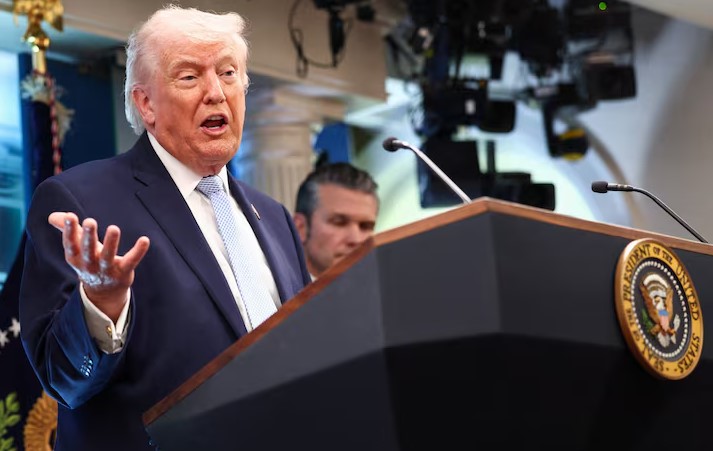
Trump's hesitation is not accidental. His public statement that the U.S. is "not satisfied yet" but "will be" reflects a deliberate pressure strategy. By leaving approval open, Washington maintains maximum coercive leverage. Iran enters these talks economically battered by sanctions, militarily strained, and with its regional proxy network under significant pressure following the Hezbollah provisions now reportedly embedded in the draft agreement. Tehran, for its part, denies the text is finalized, which serves its own domestic audience: appearing to resist American terms while still pursuing relief. Pakistan's mediating role is significant, signaling that Gulf states and traditional Western intermediaries lack the neutrality both sides currently require.
Economic and Security Impact
The Strait of Hormuz carries roughly 20% of the world's daily oil supply. Its effective closure since early in the conflict has delivered a sustained supply shock, pushing oil prices sharply higher and driving domestic U.S. gas prices toward record levels. Fertilizer markets, which rely heavily on energy inputs and Gulf transit routes, have also been disrupted. A gradual reopening tied to ceasefire compliance would trigger an immediate commodities repricing. Oil markets would likely soften, offering relief to inflation-sensitive economies from India to Germany. However, the "gradual" nature of the reopening introduces sustained uncertainty, which traders typically price in as a risk premium.
Global Reactions and Diplomatic Signals
Washington's simultaneous imposition of fresh sanctions on Iran's military oil trade, even while ceasefire talks advanced, reveals the contradictory pressures inside the Trump administration. Hardliners remain skeptical; dealmakers are pushing forward. Russia's potential role as a destination for Iran's surplus enriched uranium adds another layer of complexity, drawing Moscow back into a central position in Middle East nuclear diplomacy at a moment when its own international isolation remains significant. China, which depends heavily on Gulf energy routes, has quiet but substantial interests in seeing the Strait reopen. Their public silence masks considerable behind-the-scenes pressure.
What Happens Next
Three scenarios are plausible. First, Trump signs, negotiations begin, and markets stabilize temporarily while the hard work of uranium disposal and sanctions architecture begins. Second, talks collapse over uranium disposition terms, hostilities resume, and oil prices spike again. Third, a fragile partial agreement holds the ceasefire without resolving core nuclear questions, extending strategic ambiguity indefinitely. The third scenario carries the highest long-term risk: it delays resolution while Iran retains technical leverage and the global economy remains exposed to energy disruption.
The 60-day window is less a peace deal than a structured pause in an unresolved confrontation. Its value depends entirely on what happens inside it. For now, the world's oil supply, nuclear non-proliferation architecture, and the credibility of American coercive diplomacy all hang on whether Donald Trump picks up a pen.



Comments (0)
Leave a Comment
No comments yet
Be the first to comment