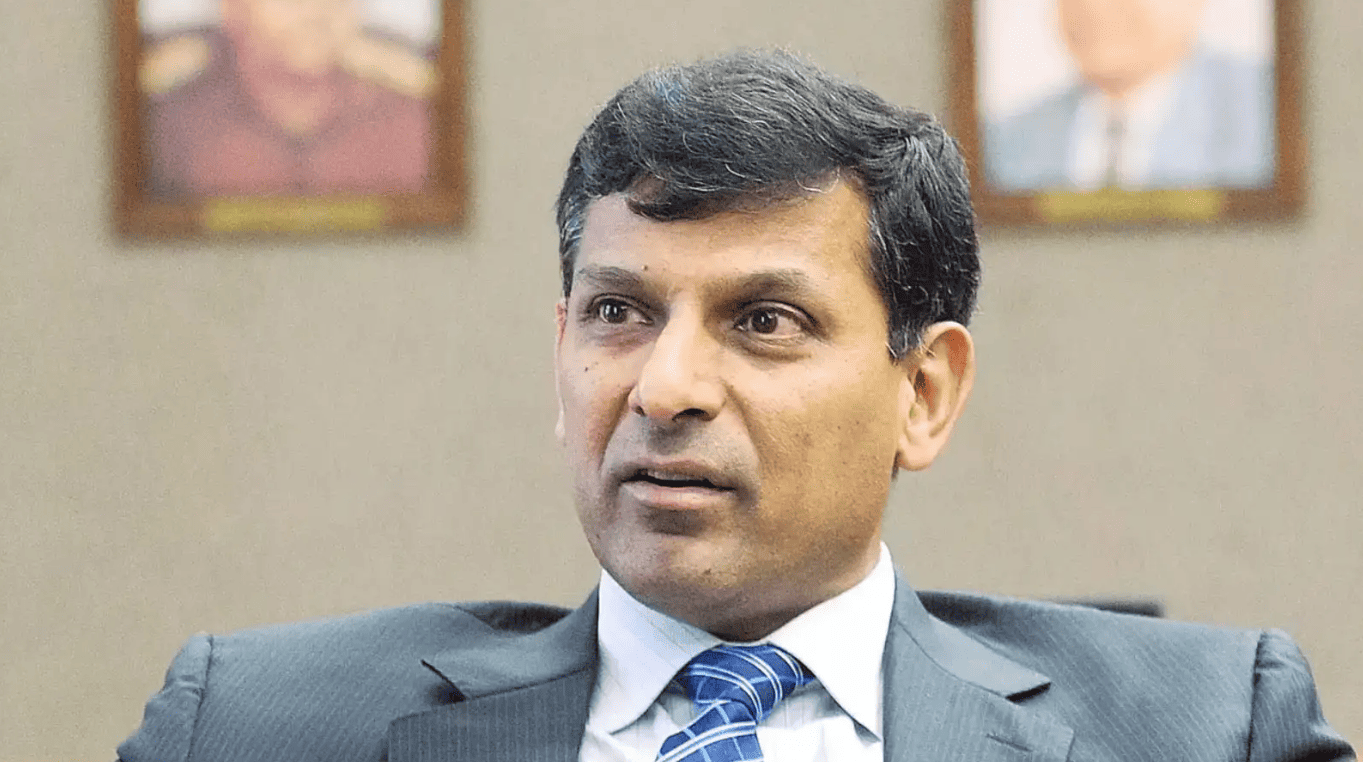
Raghuram Rajan, former Governor of the Reserve Bank of India and current professor of finance at the University of Chicago Booth School of Business, has once again put himself at the center of the global economic debate, this time weighing in on artificial intelligence, monetary policy, and the risks facing emerging markets. Speaking in a recent Bloomberg Television interview, Rajan pushed back against predictions of a sweeping AI driven jobs crisis in India, calling some of the more alarmist scenarios overstated. He argued that while software exporters and back office service providers face genuine disruption, the broader Indian services economy retains room to adapt and diversify beyond coding and support roles.
Rajan's comments carry particular weight given his track record. He is one of the few economists who publicly warned of the 2008 global financial crisis years before it unfolded, a call that was largely dismissed at the time by peers and policymakers. That history has made his views on the current AI investment boom, and whether it resembles a speculative bubble, a closely watched signal for investors and central bankers alike.
AI Disruption and the Future of India's Services Economy
Rajan told Bloomberg that Indian firms slow to adopt new technology will need more time to adjust, but he stopped short of forecasting mass layoffs across the sector. He pointed out that many large global corporations have not yet deployed AI tools at scale, leaving Indian companies a meaningful window to reposition their workforce and business models before competitive pressure intensifies.
Key Points From Rajan's AI Remarks
- India's services story can persist in areas beyond software exports, according to Rajan.
- Reskilling will be critical for firms whose core business involves routine coding and customer support functions.
- Technology adoption timelines vary widely, meaning disruption will be gradual rather than sudden.
- Early automation has already prompted some IT companies to streamline entry level roles.
His framing reflects a broader theme in his recent public commentary, that structural economic shifts tend to unfold over years rather than months, giving policymakers and businesses room to adapt if they act early.
Echoes of Past Bubbles in Today's AI Investment Boom
In a separate interview published by the UBS Center in Zurich, Rajan drew a direct comparison between the current AI investment surge and two previous episodes he knows intimately, the 2001 dot-com collapse and the 2008 financial crisis he predicted in advance. He acknowledged there is a real risk of a repeat scenario, noting that current market dynamics echo the excess investment and inflated expectations that preceded both earlier busts.
This assessment places Rajan alongside other prominent voices, including Ray Dalio and Ruchir Sharma, who have separately warned that the AI boom shows classic signs of a bubble, particularly around capital spending that has outpaced clear revenue returns. Rajan's version of the warning is notable because he does not dismiss AI's transformative potential outright. Instead he frames the risk as one of timing and financing, where valuations run ahead of the technology's actual commercial payoff.
Why the Comparison Matters for Investors
- Overbuilding infrastructure, as seen in the dot-com era, can leave capacity stranded if demand fails to materialize on schedule.
- Financial crises often originate in credit markets rather than equity markets, an area Rajan has studied extensively since his IMF years.
- A correction in AI linked equities could ripple into broader markets given how concentrated recent stock gains have become in technology names.
Inflation, Central Banks and the Case for Policy Flexibility
Beyond AI, Rajan has long argued that central banks need to remain nimble about inflation regimes rather than assuming recent conditions will persist indefinitely. He has previously cautioned that policymakers should examine whether their tools responded quickly enough as inflation shifted from a low to a high regime, and whether some instruments were held back to preserve firepower for future shocks.
That framework remains relevant as central banks navigate a mix of slowing growth in China, ongoing deglobalization pressures, and uneven recoveries across emerging markets. Rajan has noted that many emerging market central banks moved early and effectively on interest rates during recent volatility, a discipline he has held up as a model for larger economies still calibrating their response to shifting price pressures.




Comments (0)
Leave a Comment
No comments yet
Be the first to comment