Iran opened its 2026 World Cup campaign on Monday at SoFi Stadium in Inglewood, drawing 2-2 with New Zealand in front of a crowd split between supporters and protesters. The match unfolded in Los Angeles, home to the largest Iranian community outside Iran, turning a routine group-stage fixture into a flashpoint for politics, identity, and dissent.
What Happened Outside SoFi Stadium
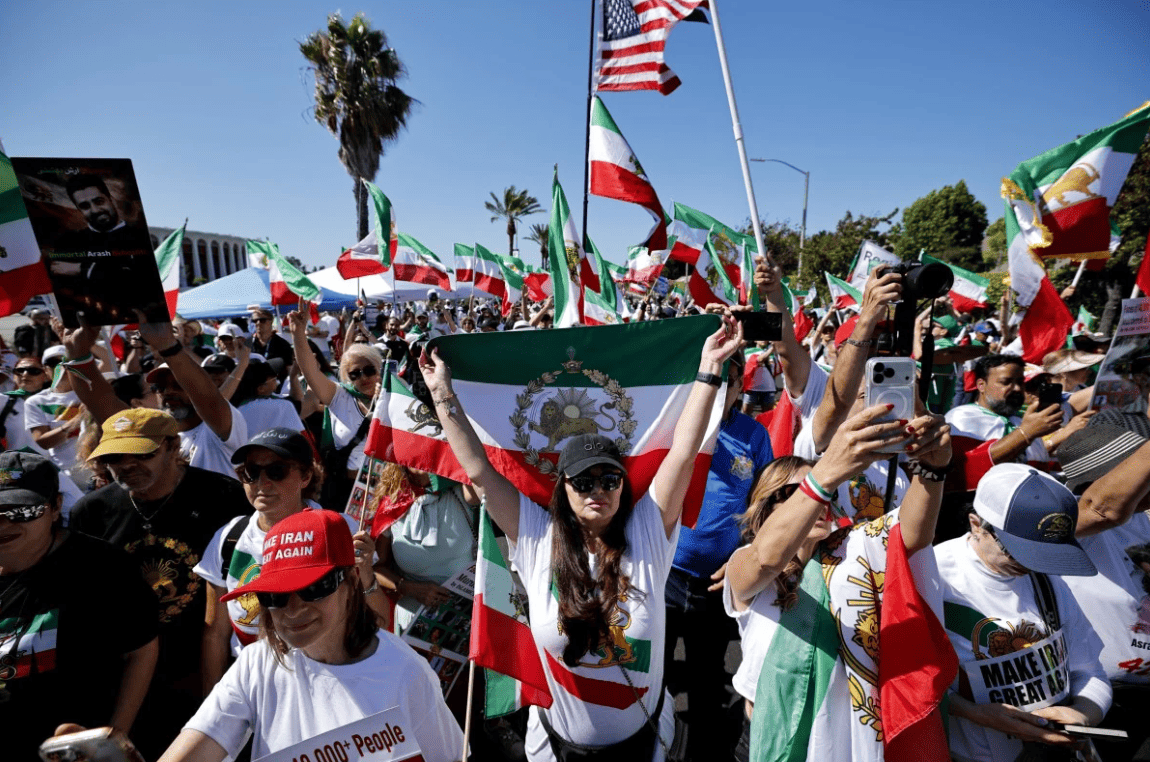
Hours before kickoff, several hundred Iranian Americans gathered near the stadium to demonstrate against Tehran's government. Many wore lion-and-sun emblem shirts and carried Iran's pre-1979 flag, a symbol now associated with opposition to the current regime. A similar rally had taken place the day before outside nearby Intuit Dome.
Key details from the day include:
- A Los Angeles Superior Court judge upheld FIFA's ban on the pre-revolution flag inside the stadium just hours before the match.
- The Iranian American Institute for Voices for Liberty had filed a lawsuit to challenge that ban.
- During the opening ceremony days earlier, much of the crowd booed as Iran's flag entered the field.
- Inside the stadium, some fans turned their backs during the national anthem, while others cheered loudly for the players.
Organizers said the rally was meant to highlight Tehran's deadly crackdown on dissent in January and to call attention to the treatment of political prisoners and athletes.
Why the Protests Are Happening Now
A Government Crackdown Fuels Anger
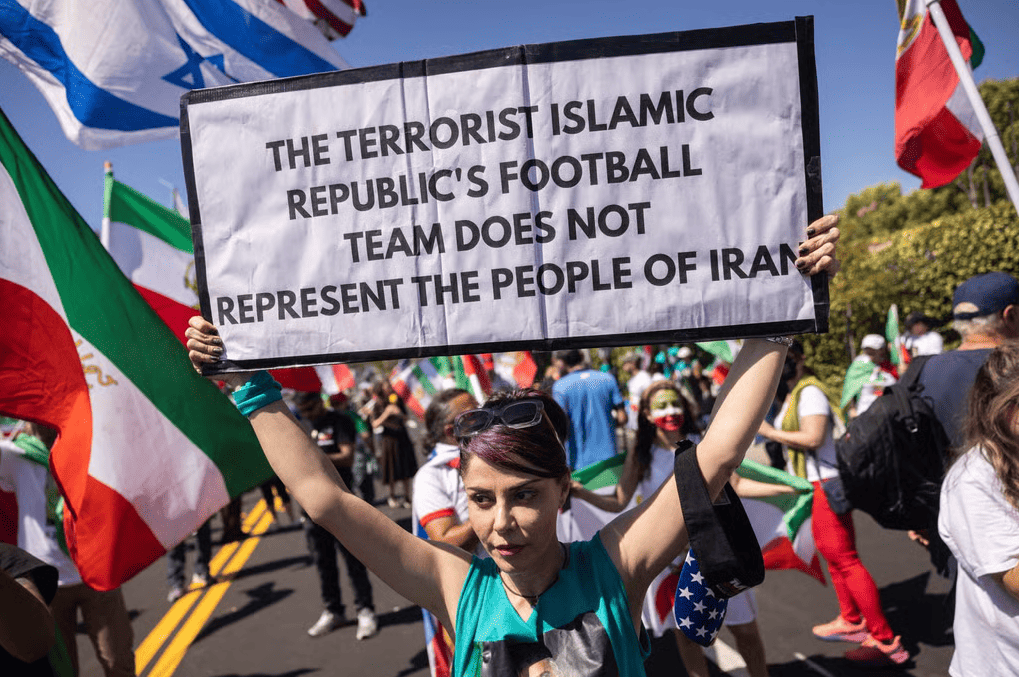
The protests are not simply about soccer. They reflect ongoing frustration with the Iranian government following a violent crackdown on dissidents earlier this year. For many in the diaspora, the national team has become a stand-in for the regime itself, even though the players have no direct role in government policy.
A Diaspora Divided
Los Angeles is home to Tehrangeles, a cluster of Persian shops and restaurants about ten miles from the stadium. Many residents arrived after the 1979 Islamic Revolution, and opinions within the community vary widely. Some Iranian Americans refuse to support the team at all, while others separate the players from the politicians who govern them. One protester, a 59-year-old consultant from Orange County, said he believes soccer and politics cannot be separated, since players face pressure to align with state positions whether they want to or not.
The Flag Ban Controversy
A major source of tension has been FIFA's refusal to allow the pre-revolution flag inside the stadium. The Iranian American Institute for Voices for Liberty argued the ban silenced peaceful political expression. The presiding judge disagreed, citing safety protocols and the burden of changing stadium rules for a global event on short notice, noting it would be difficult for FIFA to make an exception at one site without affecting every other venue in the tournament.
Iran's federation had also warned it could pull out of matches if unofficial flags or political chants appeared in the stands, raising the stakes around an issue that, for most fans, would otherwise be a minor detail.
How the Team and Officials Responded
Iran's national team has tried to stay above the political fray. Coach Amir Ghalenoei said he was simply glad the diaspora had come out to watch, and hoped fans would support the team rather than work against it. The federation maintains its focus is on uniting fans through sport rather than engaging in politics, even as outside events made that separation difficult.
Off the field, logistics were also affected by tension between Washington and Tehran:
- The team moved its training base from Tucson, Arizona, to Tijuana, Mexico.
- Some Iranian football officials reportedly were not granted visas to enter the United States.
- Star striker Sardar Azmoun was left off the World Cup roster, reportedly after a social media post drew criticism from authorities back home.
These details suggest that even routine team operations have become entangled with broader political friction.
What This Means Going Forward
This is the first World Cup match played by a country that, until very recently, was at war with the host nation. A ceasefire between the United States and Iran was announced just a day before the opening match, adding another layer of uncertainty to an already tense atmosphere. For policymakers and analysts, the episode is a reminder that international sport rarely stays separate from geopolitics, especially when a host country and a competing nation share a fraught recent history.
For the Iranian diaspora, the tournament will likely remain emotionally complicated through the group stage and beyond. Many fans want the team to succeed on the field while continuing to oppose the government it represents. That tension is unlikely to disappear before Iran's next match.



Comments (0)
Leave a Comment
No comments yet
Be the first to comment