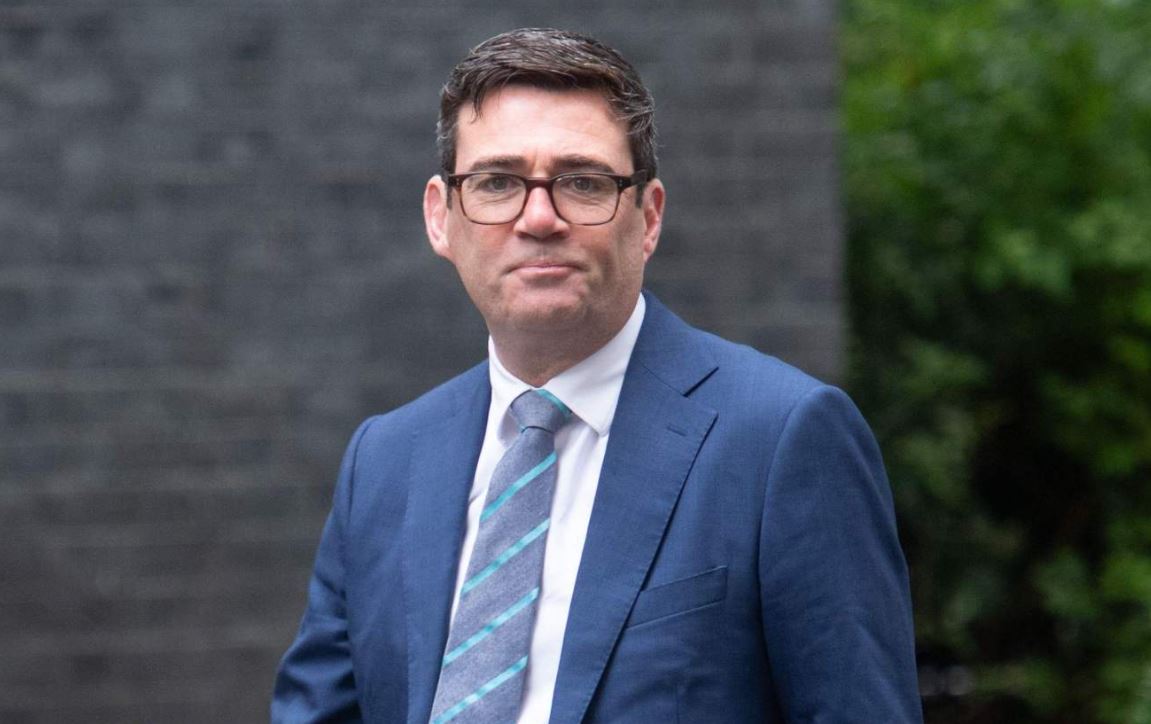
Andy Burnham's journey to becoming UK prime minister has been shaped by political setbacks, leadership defeats, years in Westminster, and a major reinvention in Greater Manchester. His career has also faced periods of public scrutiny, including a speeding offence that resulted in a fine and penalty points.
The story of Andy Burnham prime minister is therefore not simply about his arrival at Downing Street. It is about how he built political resilience, developed a strong regional identity, remained influential within Labour, and eventually returned to Westminster to take the country's highest elected political office.
Who Is Andy Burnham?
Andy Burnham is a Labour politician who became prime minister in July 2026 after returning to the House of Commons as the MP for Makerfield. Parliament lists him as both Prime Minister and First Lord of the Treasury, with Labour Party affiliation.
Before becoming prime minister, Burnham served as Mayor of Greater Manchester from 2017 and built a national reputation around regional devolution, public services, transport, housing and the North of England.
His return to Parliament was politically significant. He won the Makerfield by-election in June 2026 after the sitting Labour MP Josh Simons resigned, creating an opportunity for Burnham to return to Westminster.
Andy Burnham Age and Background
Andy Burnham Age that he was born in January 1970 and is 56 years old as of August 2026. His political identity was shaped by his northern upbringing and Labour background.
Andy burnham education included studying English at Cambridge University. He later worked in journalism and political roles before entering Parliament. His university years were also important personally because he met his future wife there.
Andy Burnham Wife and Children
Andy Burnham wife and children have remained largely separate from his public political career. Burnham is married to Marie-France van Heel, whom he met while studying at Cambridge, and they have three children. Although his family has occasionally appeared in profiles of his personal life, Burnham has generally maintained a clear boundary between his family and his political responsibilities. His family background has also contributed to his public image as a politician with strong connections to northern England, community issues, and public service.
The Speeding Offence and How Burnham Handled It
One of the most widely reported personal controversies involving Burnham came in 2023, when he admitted a speeding offence on the M62.
The incident occurred in July 2022. Burnham was recorded travelling at 78mph on a section where a temporary 40mph limit was in force. He explained that he had become distracted after discovering that the junction he normally used had been closed and that he had to change route.
The court imposed:
- A £1,353 fine
- £541 victim surcharge
- £90 court costs
- Six penalty points
- Total financial penalty of £1,984
Burnham accepted the court's decision and acknowledged that he had been travelling too fast.
The important political point is what happened afterward. The offence did not end his political career. Burnham continued serving as Greater Manchester mayor and maintained his position as a major Labour figure.
There is a distinction worth making here. The speeding case was a motoring offence, not evidence of corruption or serious criminal misconduct. Treating it as something more serious would misrepresent the facts.
From Labour Setbacks to Downing Street
Burnham's political career had already experienced significant setbacks before the speeding controversy.
He entered Parliament in 2001 and later held several senior government positions, including Secretary of State for Culture, Media and Sport and Secretary of State for Health. Parliament records his long ministerial career and earlier representation of Leigh.
His attempts to lead Labour did not initially succeed. Leadership defeats could have ended his national ambitions, but Burnham changed political direction rather than disappearing from public life.
The Greater Manchester Strategy
His election as Mayor of Greater Manchester in 2017 became the turning point.
Instead of remaining focused on Westminster, Burnham developed a political platform around local government and regional power. He became associated with:
- Greater regional devolution
- Transport investment
- Public services
- Housing and homelessness
- Greater northern representation
- Local decision-making
This period allowed him to develop an identity separate from Westminster politics.
His political strength increasingly came from presenting himself as a politician who understood regional concerns rather than simply as another Westminster figure.
The Return to Westminster
The next major challenge came in 2026.
Burnham returned to the Commons by winning the Makerfield by-election. The House of Commons Library noted that his election as an MP meant he could no longer remain mayor of Greater Manchester under the applicable legal framework.
His return created a direct route back to national leadership.
Parliament now records Burnham as MP for Makerfield and Prime Minister, with his premiership beginning on 20 July 2026.
What Helped Andy Burnham Overcome Political Challenges?
Burnham's career shows several factors that helped him survive setbacks.
Burnham Changed Political Ground
After unsuccessful Labour leadership campaigns, he built influence through Greater Manchester rather than continually competing inside Westminster.
Burnham Developed a Distinct Political Identity
His emphasis on northern England, devolution and public services gave voters and Labour members a clear understanding of what he represented.
Burnham Maintained Labour Connections
The Andy Burnham Labour relationship remained central throughout his career. Parliament records his Labour affiliation from 2001 to the present.
Burnham Accepted the Speeding Penalty
Following the speeding offence, Burnham accepted the court's decision rather than attempting to portray the matter as something it was not. That response helped keep the controversy contained.
Burnham Returned When the Political Opportunity Emerged
His Makerfield victory provided the parliamentary platform required for his final move into national leadership.
Andy Burnham Makerfield MP and His Political Future
Andy Burnham Makerfield MP now reflects a major change in his career. Makerfield is no longer simply a route back into Westminster. It is the parliamentary constituency represented by the sitting prime minister.
His rise also demonstrates an important feature of British politics: political careers are rarely linear. A politician can lose leadership contests, leave Westminster, build influence elsewhere and later return at a moment when the national political environment changes.
Burnham's career therefore offers a case study in political resilience. His speeding offence remains part of his public record, but it did not define his career. His greater political story has been about persistence, regional leadership and adapting to changing opportunities.
Conclusion
Andy Burnham's rise to Downing Street was not the result of a straightforward political path. It followed years of parliamentary experience, failed leadership attempts, regional leadership and a return to Westminster at a crucial moment. His speeding offence remains a documented part of his record, but his response and subsequent political trajectory show why political setbacks do not necessarily determine the outcome of a long career.



Comments (0)
Leave a Comment
No comments yet
Be the first to comment