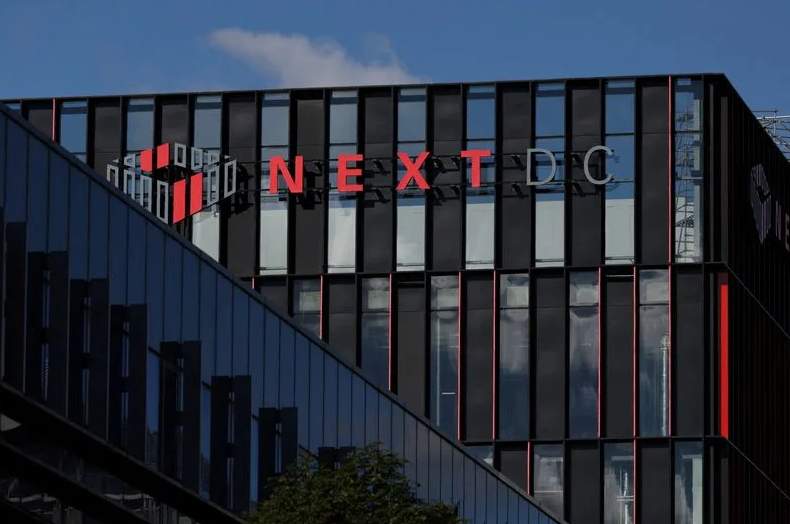
Developers behind a massive data centre that OpenAI wants to build near Sydney have walked away from plans to cool the facility with recycled water, opting instead for a more energy intensive method. The reversal, first reported by Reuters, raises fresh questions about whether Australia's booming AI infrastructure sector can meet its own sustainability commitments as computing demand accelerates.
The facility in question, known as S7, is a 612 megawatt project that would rank among the largest data centres in the world. Planning documents filed in April had proposed using Sydney's treated sewage water to cool servers, a method meant to spare drinking water supplies and avoid extra strain on the electricity grid.
Why The Recycled Water Plan Fell Through
NEXTDC, the Australian infrastructure partner working with OpenAI on the project, told Reuters that talks with local water utilities collapsed because the developers lacked planning permission to build the pipeline needed to transport the recycled water to the site. Without that approval, shipping treated wastewater to the facility was not feasible on the current timeline.
NEXTDC chief executive Craig Scroggie acknowledged the value of recycled water cooling, noting it can support lower energy use and better overall sustainability outcomes wherever the supporting infrastructure already exists. Sydney Water, named in planning filings as a potential supplier, did not comment on the cancelled talks. Kurt Dahl, chief executive of recycled water company coNEXA, said data centre operators are increasingly being forced to choose between energy and water for their cooling strategy, and argued that connecting new facilities to recycled water systems should be treated as an urgent priority.
The Switch To Direct Liquid Cooling
In place of recycled water, the S7 facility will now rely on direct liquid cooling, a method that circulates coolant directly around high performance AI chips to remove heat. The approach avoids drawing on potable water supplies but consumes considerably more electricity than the original recycled water design.
Key details of the shift include:
- The original design avoided both drinking water use and added grid strain.
- The new cooling method sidesteps water use but increases energy demand.
- The change stems from a planning and permitting gap, not a technical failure.
- No public timeline has been given for revisiting recycled water infrastructure later.
What This Means For Australia's AI Infrastructure Push
The reversal lands at a sensitive moment for Australia's data centre industry. Earlier this month, the Australian government said it would impose limits on energy and water use for data centre developments, part of a broader effort to manage the sector's growing footprint as AI adoption expands nationwide. Community pushback against large scale data centre projects has also grown, echoing similar protests seen in the United States and Europe over resource strain and local infrastructure impact.
Industry observers note that Australia's planning framework still lacks clear, enforceable water targets for new and existing data centres. Without more transparent reporting standards, similar to those already used for energy disclosure, they warn that rapid data centre expansion could worsen water pressures in regions already facing supply constraints.
Broader Context Around OpenAI's Infrastructure Strategy
The Australian setback is not an isolated case. OpenAI and its infrastructure partners have also scaled back other data centre plans this year, including a decision alongside Oracle to cap expansion at the Stargate campus in Abilene, Texas, rather than pursue previously planned capacity increases. Financing constraints, power delivery delays and a weather related outage affecting cooling equipment at that site have all played a role in reshaping OpenAI's broader buildout strategy.
Taken together, these developments suggest that even well funded AI infrastructure projects are running into real world constraints around permitting, utilities and local resources, regardless of how much capital is behind them.
What Happens Next For The Sydney Project
NEXTDC has left the door open to revisiting recycled water cooling if the required pipeline infrastructure becomes available in the future. For now, the S7 facility will proceed with direct liquid cooling, meaning its energy footprint will likely be higher than originally planned even as it avoids new demand on drinking water supplies.
The situation offers a clear case study for policymakers and educators tracking the intersection of AI growth and environmental planning. It shows how infrastructure bottlenecks, not just technology choices, can determine whether ambitious sustainability commitments actually get delivered.
Points worth watching going forward:
- Whether new planning approvals unlock recycled water access later.
- How Australia's upcoming energy and water limits apply to the S7 project.
- Whether other AI data centre developers face similar permitting gaps.
- How rising energy use from liquid cooling affects the project's overall emissions profile.




Comments (0)
Leave a Comment
No comments yet
Be the first to comment