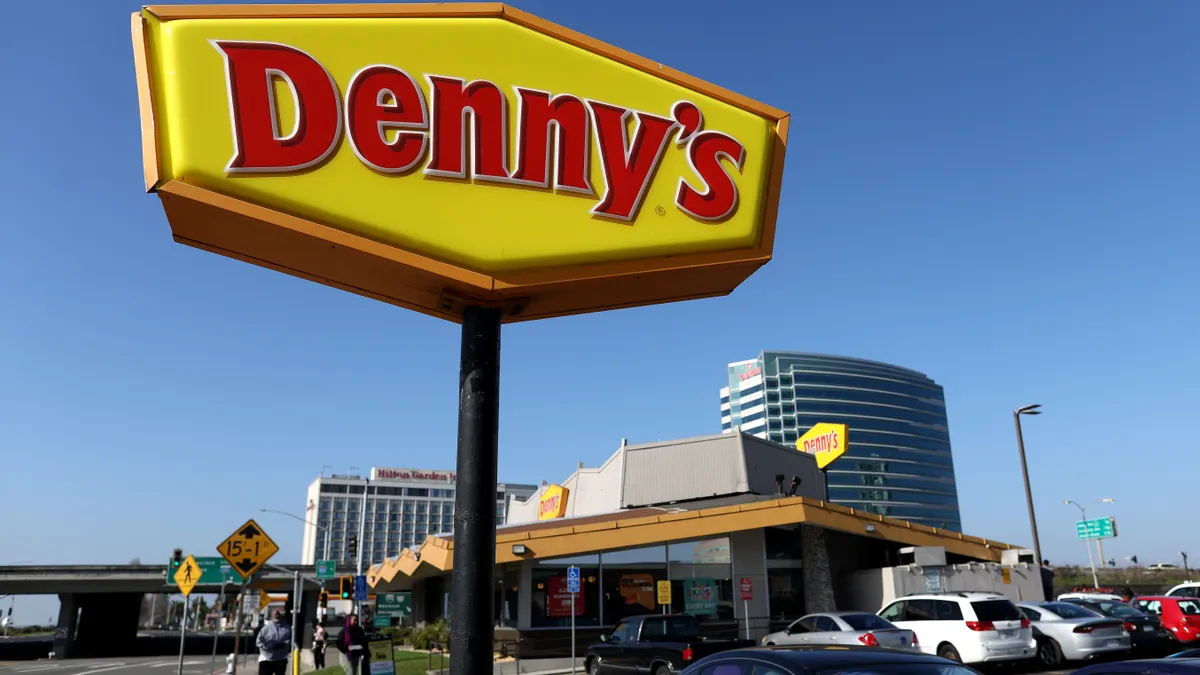
Denny store closures are back in the news this week. A Minnesota and Wisconsin franchise group shut five restaurants without warning. Workers lost pay. Diners found locked doors. The chain itself is not going bankrupt. But the story shows real cracks in one of America's oldest diner brands.
The Sudden Shutdown, Explained
A franchise operator called M15 Inc. ran five Denny's restaurants across two states. Late last week, all five closed at once. The locations sat in Burnsville, Maplewood, Roseville, and North Branch, Minnesota, plus Hudson, Wisconsin.
M15 said it could no longer make payroll. It also could not buy food and supplies. The company plans to file for Chapter 7 bankruptcy, which means it will shut down and sell off its assets rather than try to restructure.
Denny's Inc. does not own these stores. A spokesperson said the company was "saddened" by the closures and is working with its franchise network to find new owners who can reopen some locations.
This distinction matters. Denny's the corporation, is not in bankruptcy. A single franchise group is.
A Chain of Franchisee Failures
This is not a one-off event. Several Denny's franchisees have filed for bankruptcy protection over the past three years.
- Denn-Ohio, which ran 10 Denny's units, filed for Chapter 11 in 2023 and later closed locations in Grand Rapids and Kalamazoo, Michigan.
- DBJ US Corp, operator of seven South Florida restaurants, filed Chapter 11 in January 2026 to restructure debt.
- M15 Inc. now plans Chapter 7 for its five Upper Midwest stores.
Each filing points to the same pressures: rising food costs, higher labor expenses, and fewer customers walking through the door.
The Money Pressures Driving the Closures
Family dining chains across the board are feeling this squeeze. Industry data from the National Restaurant Association shows that in November 2025, 44% of restaurant operators reported lower same-store sales compared to the prior year. That is a real warning sign for a sector built on thin margins.
Denny's is not alone. TGI Fridays has closed 82 locations since its own 2024 bankruptcy filing. On The Border shut 40 stores before its Chapter 11 case last year. The trend points to a wider shift in how people eat out, with more diners choosing fast food or delivery over sit-down breakfast service.
Denny's Closing 2026: The Shrink-to-Grow Strategy
Denny's closing 2026 locations is part of a plan the company set in motion earlier. Denny's shed roughly 150 underperforming restaurants across 2024 and 2025. The goal was to raise average sales per location from about $1.9 million to a target near $2.2 million.
That plan has not fully paid off yet. In 2025, the chain's location count fell 4.5%, yet total sales still dropped 2%, according to Technomic data. Fewer stores did not translate into stronger overall performance.
In November 2025, Denny's agreed to go private in a $620 million deal. The buyers were TriArtisan Capital Advisors, Treville Capital, and Yadav Enterprises, one of the chain's largest franchisees. The deal closed in January 2026. Private ownership often gives a company more room to restructure without the pressure of quarterly earnings calls, but it also means less public disclosure going forward.
Denny's Bankruptcies: Setting the Record Straight
It is worth repeating: the recent Denny's bankruptcies involve individual franchise operators, not the parent company. DFO LLC, the entity behind the Denny's brand, has not filed for bankruptcy.
Still, a string of franchisee failures raises fair questions about the health of the franchise system itself. When several operators across different states struggle with the same math, the problem may sit partly with the brand's cost structure.
Denny's Franchise Cost: Why the Math Is So Tight
That brings up Denny's franchise cost, which helps explain why some operators fall behind.
According to recent disclosure documents, opening a Denny's requires:
- Total investment of roughly $1.5 million to $2.7 million
- A franchise fee near $30,000
- Royalty fees of 4.5% to 7% of gross sales
- A brand fund fee of about 3% to 3.25% of gross sales
- Minimum liquid capital often set at $500,000 or more
These are large, ongoing costs. A franchisee needs strong, steady traffic just to break even. When sales dip even slightly, the gap between revenue and fixed costs can grow fast. Add rising food and labor costs, and thin margins turn negative quickly.
How Denny's Plans to Come Back
Denny's has laid out a few clear steps to stabilize the brand:
- Trimming weak locations. The company is closing underperforming stores rather than propping them up.
- Raising per-store sales. New menu items and value deals aim to pull average unit sales toward the $2.2 million target.
- Finding new operators. Denny's says it is actively searching for franchisees to take over closed sites, including the recent Minnesota and Wisconsin locations.
- Leaning on new ownership. The private equity group behind the buyout includes a major existing franchisee, which may bring operational know-how to struggling markets.
None of this guarantees a turnaround. But it shows a company trying to shrink toward strength rather than expand past its limits.
Conclusion
The recent Denny's store closures are not a sign that the 70-year-old diner chain is collapsing. They are a sign that its franchise model is under real strain. High Denny's franchise cost requirements, thin margins, and softer customer traffic have pushed several operators into bankruptcy court, even as the parent company itself stays solvent. Denny's closing 2026 locations and the broader wave of Denny's bankruptcies among franchisees reflect pressures felt across casual dining, not a single company failure. Whether new private ownership can steady the brand will depend on whether sales per location actually climb, and whether new franchisees step in to reopen the stores left empty this month.
Explore the More Business story and facts: Read More..




Comments (0)
Leave a Comment
No comments yet
Be the first to comment